What began as a routine patrol ended in irreversible loss. In the vast, unforgiving desert near Palmyra, the sun stretched low across sand that has absorbed decades of conflict. The horizon appeared timeless and still, a pale line of heat and dust—until the silence was split by gunfire. In that instant, two American service members were killed, their lives ending far from home in a place the world rarely looks at unless violence forces it to.
Responsibility for the attack was attributed to Islamic State, a reminder that wars rarely conclude when officials declare them over. They recede, fragment, and linger—quietly lethal in places assumed to be stable. The attack was swift and merciless, underscoring how fragile “routine” can be in landscapes shaped by unresolved conflict.
Thousands of miles away, in Iowa, the distance collapsed. Messages sent earlier in the day went unanswered. Phones were checked again and again, each glance heavy with dread. Ordinary spaces—kitchen tables, empty driveways, shoes by the door—shifted in meaning, becoming markers of absence. In a single moment, a desert in Syria and the American Midwest were bound together by loss.
The men who died were not defined by headlines. They were defined by reliability. One coached youth sports, teaching discipline and patience as much as technique. Another balanced demanding work with family responsibility, carrying burdens quietly. They were anchors in their communities—people others counted on. Their service was trusted to end safely, reinforced by years of reassurance and protocol. That trust did not survive the phone call that followed.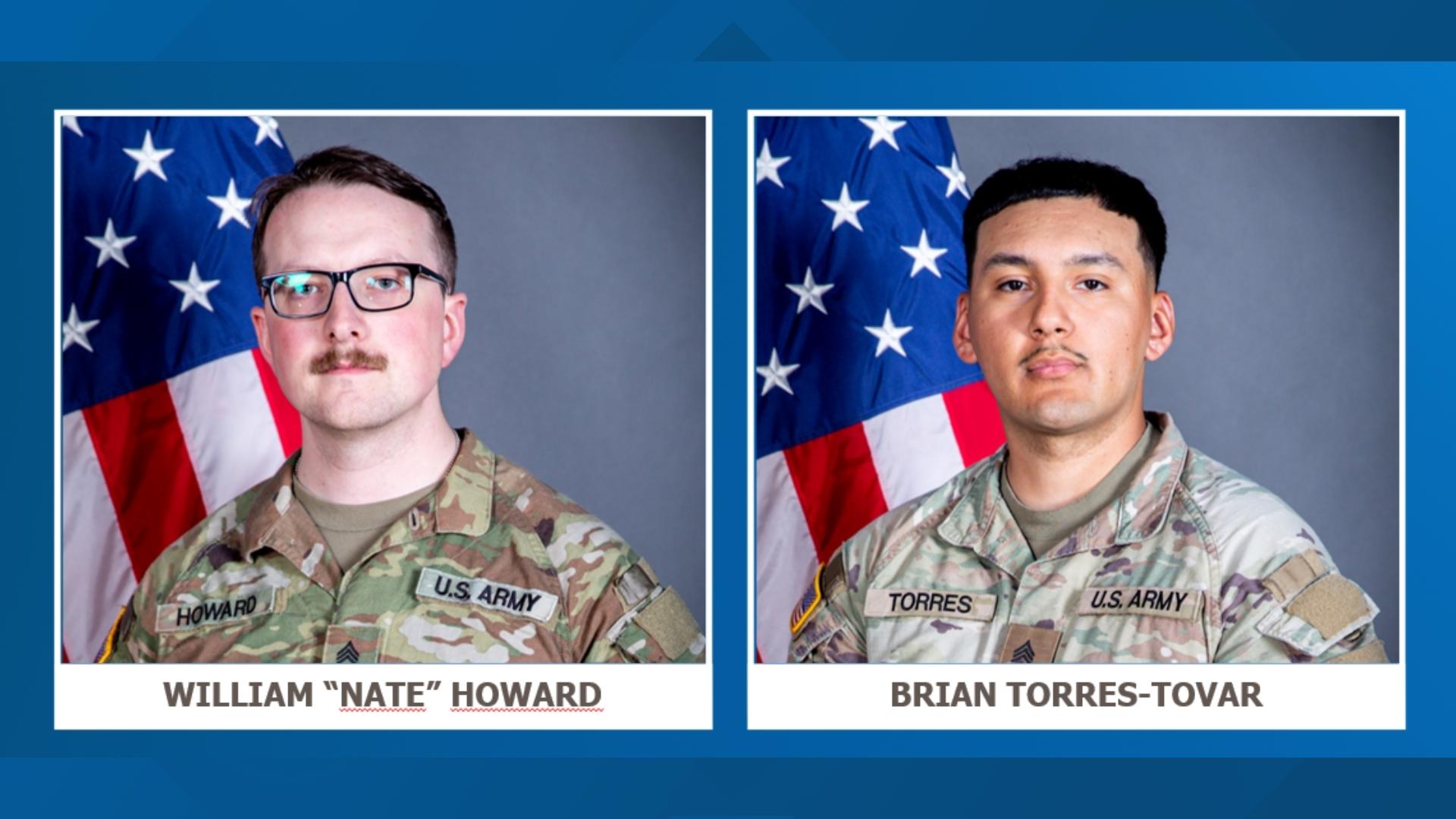
When notification came, it arrived wrapped in official language—strategic necessity, operational risk, deterrence. Inside grieving homes, those words held little weight. Loss reduced everything to a simpler arithmetic: love interrupted, pride mixed with disbelief, and a quiet anger at distant decisions made far from Iowa kitchens and backyards.
Grief rippled outward. Schools marked the absence of mentors. Workplaces reshuffled responsibilities once carried effortlessly. Conversations became careful acts of remembrance, balancing honor with restraint. Memory brought comfort and pain in equal measure.
In the weeks that followed, communities gathered—vigils by candlelight, flags lowered, moments of silence. These gestures mattered, but they were only part of the work. The deeper labor of remembrance unfolded in daily acts: continuing a youth program, delivering meals, maintaining traditions. These quiet decisions kept influence alive where headlines could not.
The loss also forced a reckoning. Assignments labeled “routine” or “low risk” took on human weight. Policy debates became personal. Families questioned how decisions made thousands of miles away ripple into small towns and living rooms. War, they learned again, is never abstract.
The two men killed near Palmyra were not statistics. They were fathers, brothers, friends, and mentors whose absence reshaped the fabric of a community. Their legacy lives in the people they guided, the lessons they modeled, and the resilience of those left behind.
Wars do not end when attention fades. They persist in kitchens, classrooms, and quiet evenings where a familiar voice is missing. The true measure of honor lies not only in ceremony, but in vigilance—careful choices, practical support, and an unflinching recognition of the human cost carried home, long after the desert grows quiet again.
