
In the often turbulent world of American politics, moments of profound personal and professional conflict can spark a broader conversation on national values, public responsibility, and personal integrity. One such moment occurred recently between Democratic Rep. Ilhan Omar and Republican Rep. Nancy Mace. This clash wasn’t merely a political disagreement; it became a battleground for addressing deep-seated issues of racism, bigotry, and public accountability.
The incident began when Nancy Mace, in a tweet following the news of the assassination of an Iranian leader, offered “thoughts and prayers” to Ilhan Omar and fellow Muslim Congresswoman Rashida Tlaib. While ostensibly an expression of sympathy, the tweet was widely seen as a veiled attack on Omar and Tlaib’s identities as Muslim-American politicians, implying that they supported Iran and were somehow un-American. The response from Ilhan Omar was swift, sharp, and unapologetic—a reminder that standing up against racism and bigotry is both a personal and political responsibility.
The Racist Undertones of Nancy Mace’s Tweet
The tweet by Nancy Mace, in context, appeared to be a deliberate attempt to undermine the credibility of two high-profile Muslim-American politicians. Mace’s comments were likely designed to insinuate that Omar and Tlaib, both vocal critics of U.S. foreign policy in the Middle East, supported the Iranian regime or, at the very least, had sympathies for a country that has been a long-time adversary of the United States.
However, the problem with Mace’s statement wasn’t just the implication that Omar and Tlaib had any such sympathies—it was the fact that she used their Muslim identities to make that insinuation. By suggesting that the two Congresswomen, simply by virtue of their religion, were connected to a foreign enemy, Mace perpetuated a harmful stereotype that Muslims in America are not loyal to their country. This form of bigotry is all too common in U.S. political discourse, especially when it comes to minority groups who don’t fit the traditional mold of American identity.
Ilhan Omar’s Powerful Clapback: A Defense of Dignity
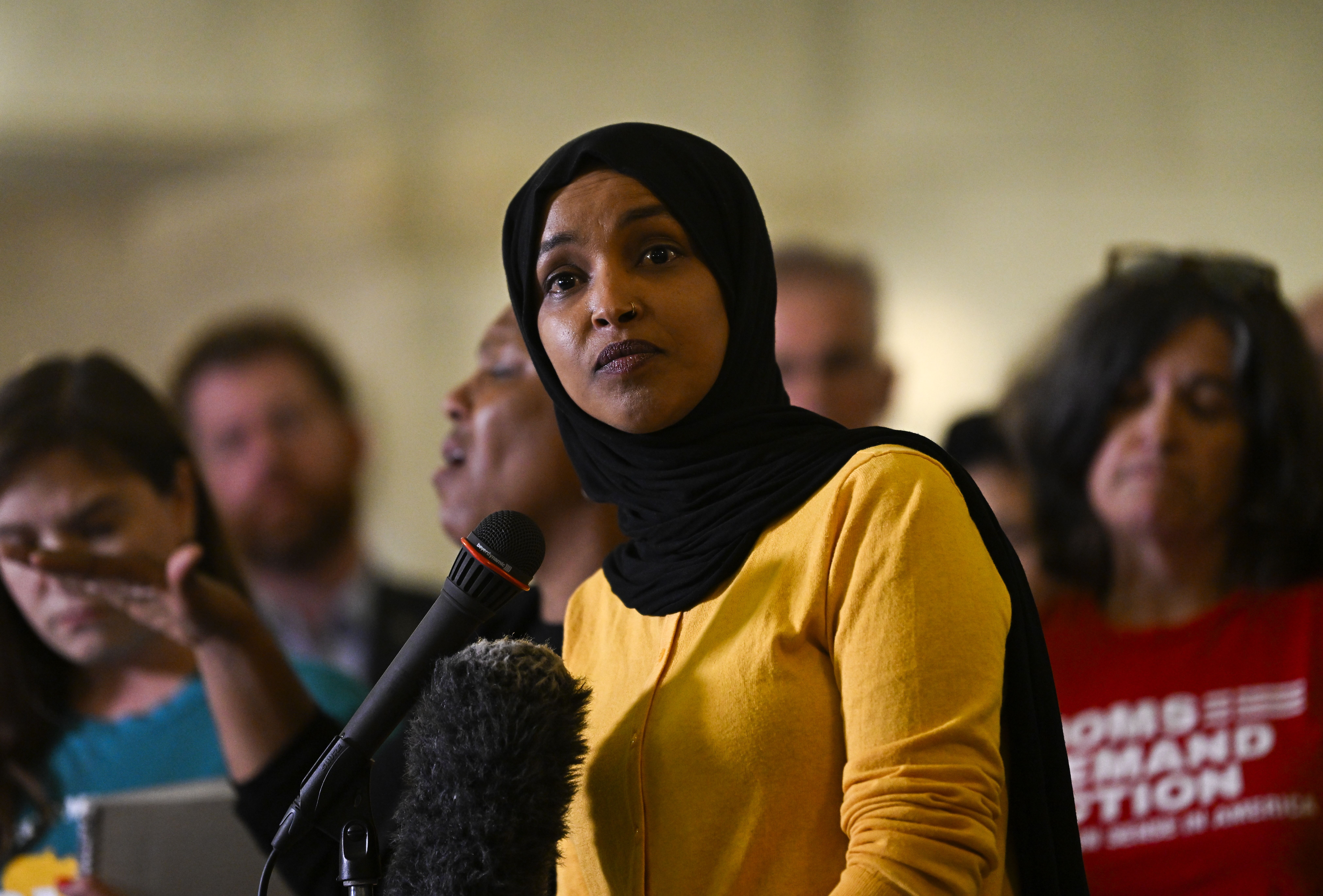
Ilhan Omar’s response to Nancy Mace was a masterclass in defending one’s dignity against attacks that have no basis in fact. Omar’s tweet not only defended her integrity but also called out the recklessness of Mace’s comments, which appeared to be not just politically charged but also personally insulting. Omar wrote:
“I hope you aren’t drunk and took your staff’s advice, Rashida and I don’t know this man and feel confident he didn’t care about us. Please restrain from drinking too much as you have been warned from your staff and stay off social media when you are drunk. I pray in his holy month you find peace and respect for yourself.”
This response was a brilliant example of using the personal as the political. By calling out Mace’s apparent disregard for professional decorum and suggesting that she had been “drunk” when posting the tweet, Omar highlighted not just the personal attack but also the unprofessional nature of Mace’s actions. The reference to Mace’s “staff” was particularly pointed, suggesting that even those around Mace were aware of her erratic behavior. This wasn’t just about politics—it was about holding public officials accountable for their actions and ensuring that those who make baseless accusations do so with the responsibility that comes with their position.
But Omar’s tweet also did something else—it humanized the situation. In invoking “peace” and “respect” during the holy month of Ramadan, Omar reminded everyone of the importance of personal reflection and the responsibility to treat others with dignity. Her words conveyed a sense of grace and restraint, showing that despite the ugliness of the attack, she was not going to stoop to the level of her detractors.
Racism in Political Discourse: The Broader Implications
The confrontation between Ilhan Omar and Nancy Mace is part of a larger narrative of racism and Islamophobia in American politics. For too long, Muslim-American politicians have faced constant scrutiny, with their loyalty to the U.S. being questioned simply because of their religious beliefs. Omar and Tlaib have both been the targets of such attacks, not just from their political opponents but from the very institutions they work in.
Racism in politics isn’t a new phenomenon, but in recent years, it has been given new life through the weaponization of social media. Politicians can now make sweeping statements, often without accountability, and use social media platforms to spread their views to millions of people. In many cases, this has led to the normalization of hate speech and the blurring of lines between legitimate political discourse and outright bigotry.
The consequences of this racism are far-reaching. When public figures like Mace make these comments, they don’t just damage the reputations of the individuals they attack; they also send a message to the public that racism and discrimination are acceptable in political conversations. By publicly defending Omar, Mace’s actions have empowered others to embrace similar rhetoric, leading to more division and polarization within American society.
Ilhan Omar as a Role Model for Resistance
Ilhan Omar’s response is a reminder that we all have a role to play in resisting injustice. It’s easy to become passive when confronted with racism, especially when it comes from powerful figures who have the ability to amplify their voices. But Omar’s words showed that standing up for yourself and your values is not only a personal responsibility—it’s a public one.
Omar’s response also underscores the importance of resilience in the face of adversity. Despite the constant attacks on her, she has remained unflinching in her commitment to advocating for justice and equality. She is not just a representative of her district in Minnesota; she is a representative of the values that define the very best of American democracy. Her defiance in the face of bigotry has made her a role model for others who may feel marginalized or silenced by the forces of hate.
The Hypocrisy of Mace’s Rhetoric
One of the most telling aspects of this entire confrontation is the hypocrisy displayed by Nancy Mace. On the one hand, she claims to be defending “American values” by attacking Omar and Tlaib, yet her actions reveal a deep lack of respect for the very principles she claims to uphold. Attacking the loyalty of Muslim-American politicians while pretending to offer “thoughts and prayers” is not only contradictory but also deeply disrespectful to the millions of Muslim Americans who contribute to the fabric of this country.
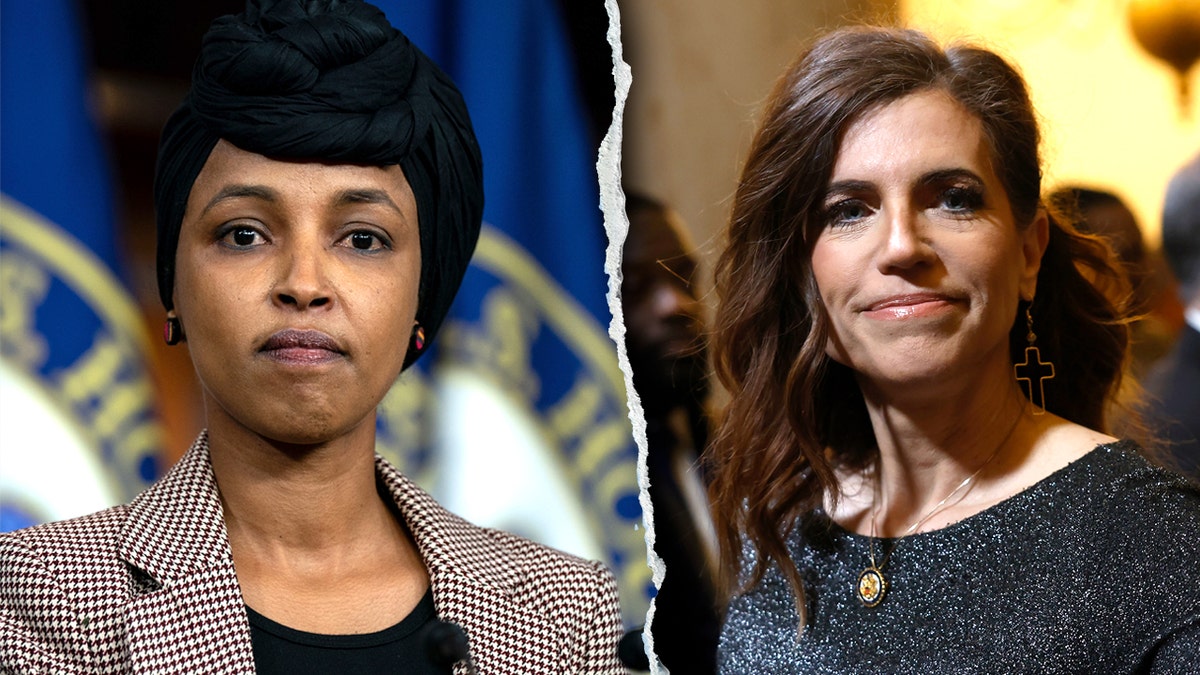
Mace’s rhetoric is not just divisive; it’s damaging. It undermines the very ideals of pluralism, freedom, and respect for diversity that make America great. Her comments perpetuate an “us vs. them” mentality, encouraging a dangerous form of nationalism that excludes rather than includes. By painting Omar and Tlaib as enemies of the state, Mace fails to recognize that America’s strength lies in its ability to embrace its diversity.
The Bigger Picture: A Call for Unity
While the public sparring between Omar and Mace is a compelling political drama, it’s important to recognize that this exchange is emblematic of a larger struggle that’s taking place in America. The conversation about race, religion, and politics is not just happening on Capitol Hill—it’s happening in every corner of the nation.
Omar’s response, though powerful, is just one chapter in a long history of marginalized communities fighting to have their voices heard. Whether it’s through grassroots movements, legal challenges, or public discourse, the struggle for equality is ongoing. And while moments like this can be disheartening, they also serve as a reminder that progress is possible when individuals like Ilhan Omar refuse to back down.
Conclusion: Resilience in the Face of Racism
Ilhan Omar’s clapback against Nancy Mace was not just a personal victory; it was a reminder that standing up to hate and bigotry is essential to protecting the values that make America a beacon of hope and opportunity. It was a powerful response to a racist attack, but it was also a statement about the strength of character and integrity that Omar has consistently shown throughout her career.
In the end, the clash between Ilhan Omar and Nancy Mace is more than just a political feud—it’s a reminder that, despite the obstacles we face, we must continue to fight for what is right. Whether in the halls of Congress or in the streets of our communities, the battle for equality and justice is one that we must all engage in. And in that fight, leaders like Ilhan Omar serve as an inspiration for us all.
