Names and Shadows: The Battle for Accountability in the Epstein Files
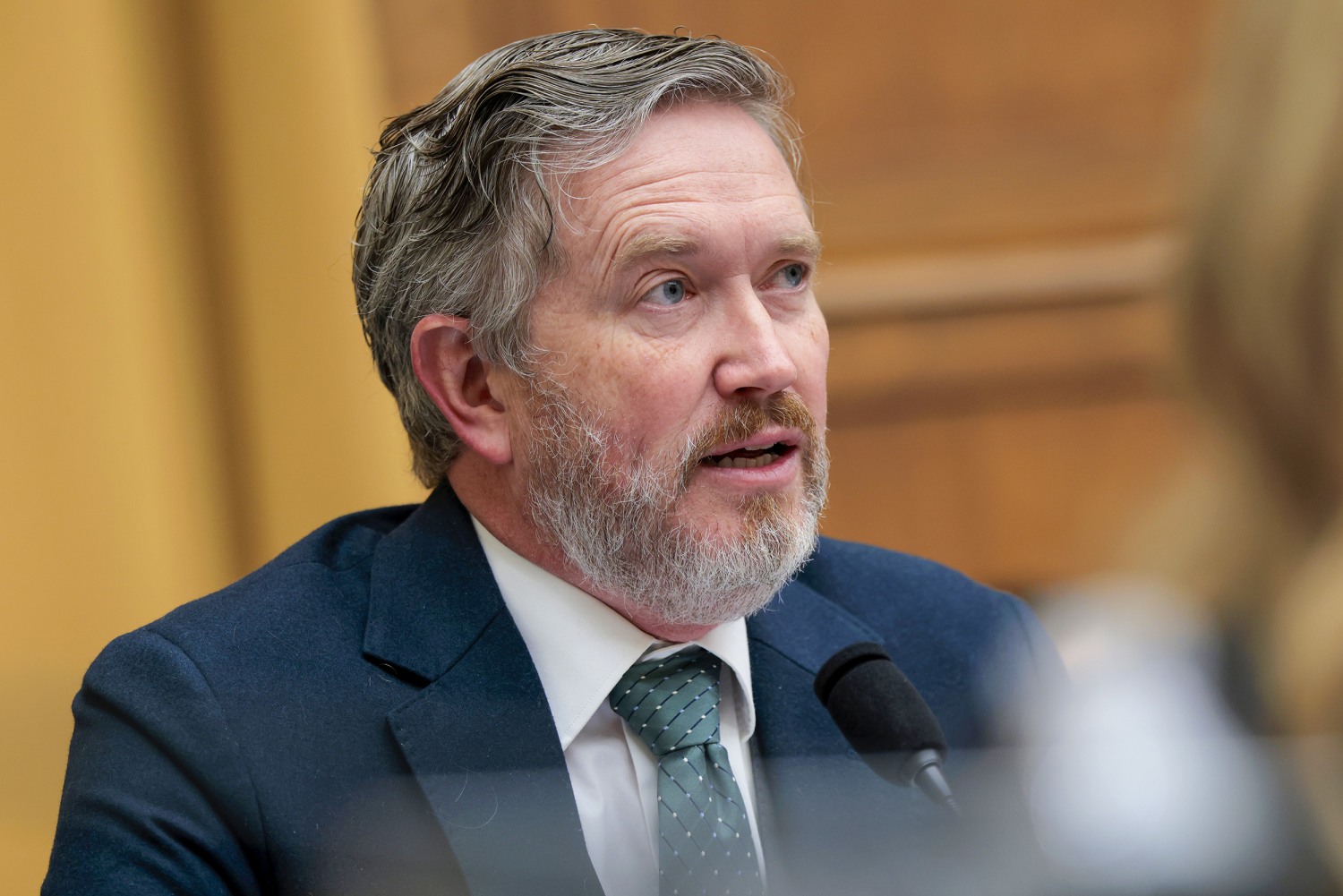
WASHINGTON — In a blistering floor speech that reverberated through the halls of the Department of Justice, Representative Thomas Massie of Kentucky unleashed a scathing critique of Attorney General Pam Bondi, accusing the nation’s top law enforcement agency of a deliberate “cover-up” regarding the Jeffrey Epstein co-conspirators.

The confrontation marks a new and more aggressive chapter in the congressional battle over the Epstein files, as lawmakers shift from debating general transparency to naming specific, high-profile individuals they believe are being shielded from American justice.
A Global Contrast in Justice
Mr. Massie’s address highlighted what he characterized as a “shameful” disparity between the United States and its international allies. He noted that while American authorities remain largely stationary, other nations have moved with speed and severity.
In the United Kingdom, Prince Andrew has been stripped of his royal titles, styles, and honors by Buckingham Palace and evicted from the Royal Lodge. Figures such as former UK ambassador Peter Mandelson and the former Prime Minister of Norway, Thorbjørn Jagland, have faced arrest or formal charges linked to the network.
“We see our allies taking action,” Mr. Massie told the chamber. “But here in the United States, what do we see? We see our FBI director celebrating in locker rooms at the Olympics while three million documents describing unspeakable things remain redacted and ignored.”
The “Hidden Six” and the Question of Immunity
The heart of the dispute lies in the identities of the men mentioned in the Department’s vast investigative files. Mr. Massie, who personally spent hours reviewing documents in the DOJ reading room, challenged the Attorney General to explain why certain prominent figures remain uninvestigated despite their names appearing in the files as potential co-conspirators.
He specifically entered the names of Leon Black, Jes Staley, and Leslie Wexner into the record, questioning why the FBI previously listed individuals as co-conspirators in human trafficking cases only to later claim they had “no questions” for them.
“Congress created the Department of Justice. Congress funds it. And Congress is responsible for its oversight,” Mr. Massie said. “The American people want to know: when will we see justice?”
A Government “Under Siege”
The allegations of a cover-up extend beyond the Epstein saga. Mr. Massie used the platform to warn that the federal government is currently “under siege” by powerful corporate interests and lobbyists. He pointed to the Department’s favorable stance toward the German chemical giant Bayer, regarding liability for the herbicide Roundup, as evidence of a deeper rot within the executive branch.
He noted with irony that the administration’s chief of staff and the Attorney General herself have past ties to lobbying firms that represented the very companies now seeking immunity from the government. “The Constitution guarantees people a trial if they’ve been harmed,” Mr. Massie reminded his colleagues. “Why are we contemplating going against the Constitution to protect a German company?”
The Missing Memos
The Attorney General has consistently defended the DOJ’s slow pace by citing the complexity of historical evidence and the need to protect ongoing reviews. However, the Department’s failure to comply with the Epstein Files Transparency Act—which requires the disclosure of internal memos explaining why prosecutions were or were not pursued—has left many in Congress unconvinced.
Of particular concern is the “sweetheart deal” of 2008, which allowed Epstein to continue his crimes for another decade. The memos detailing how that decision was reached remain largely withheld from congressional eyes.
As the Department of Justice continues to stonewall the release of these critical records, the pressure on Ms. Bondi is mounting. In a city where information is power, the refusal to share these millions of pages is being interpreted by many as the ultimate admission of guilt—not by the criminals themselves, but by the institutions tasked with catching them.
