The Architecture of Omission: FBI Face Scrutiny Over Untapped Epstein Recordings
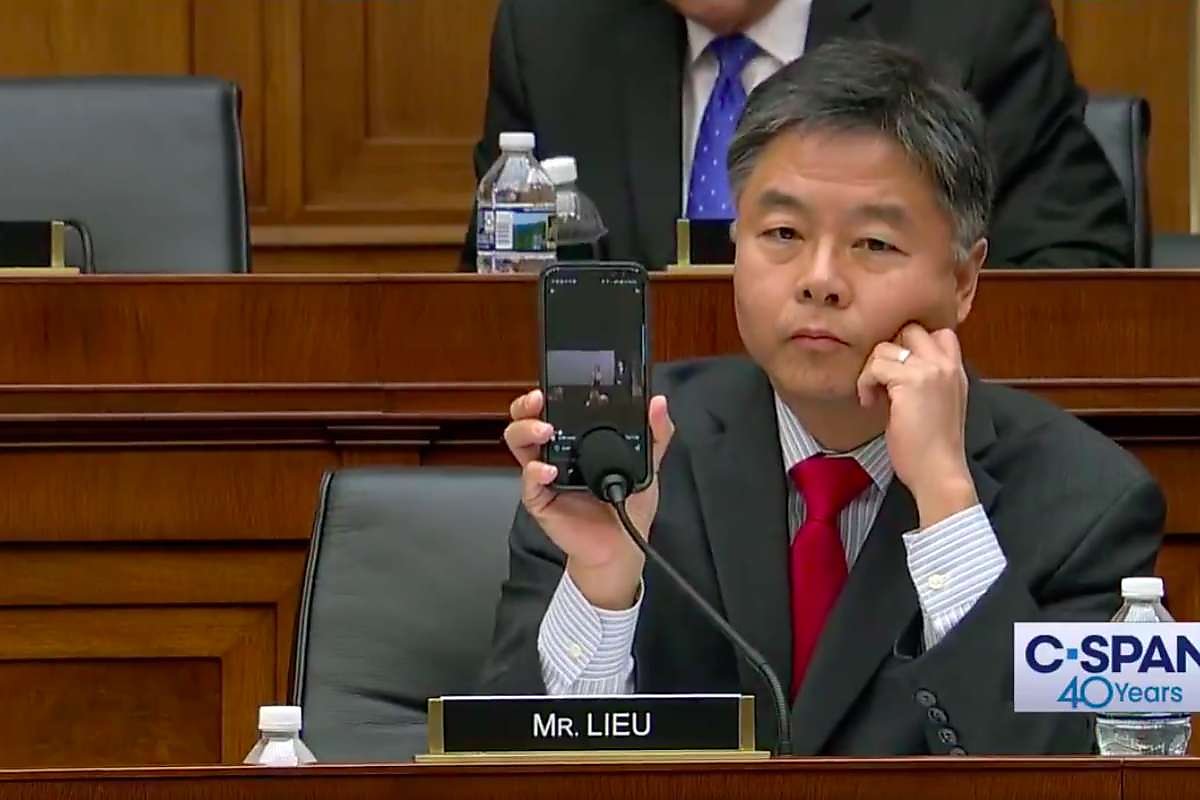
WASHINGTON — In the modern history of federal law enforcement, the Jeffrey Epstein investigation has long been characterized as a sprawling, exhaustive effort to uncover a global web of sex trafficking. However, on Tuesday, inside the high-stakes theater of the House Judiciary Committee, Representative Ted Lieu (D-CA) presented evidence that suggests the FBI may have overlooked—or intentionally bypassed—one of the most significant troves of information in the case.
The confrontation centered on a revelation that shifted the hearing from routine oversight into a forensic autopsy of investigative failure: the existence of more than 100 hours of recorded conversations with Jeffrey Epstein that the FBI has apparently never subpoenaed.
The “I Don’t Know” Defense
Mr. Lieu, a former military prosecutor and Air Force JAG officer, approached the witness table with a clinical interrogation style that left FBI Director Kash Patel with little room for bureaucratic deflection. The focus was Michael Wolff, the journalist who has publicly stated he possesses a vast archive of tapes from his extensive interviews with Epstein.
“Has the FBI interviewed Michael Wolff?” Mr. Lieu asked.
“I’m not saying they haven’t. I just don’t know,” Director Patel responded.
The pattern continued as Lieu pressed on whether the Bureau had ever subpoenaed the tapes themselves. “I don’t know,” Patel repeated. The admission that the Director of the FBI was unaware of whether his agency had pursued a century’s worth of hours of first-hand recordings from the central figure of the nation’s most high-profile trafficking case created a palpable sense of unease in the chamber.
The Wolff Recordings and the Safe
To illustrate the gravity of the omission, Mr. Lieu played a clip of Wolff describing what Epstein allegedly kept in a secure safe inside his Manhattan mansion—material Wolff claimed Epstein showed him personally. For years, the contents of that safe have been a focal point of speculation regarding potential compromising evidence against powerful individuals.
The exchange exposed a startling disconnect: while the safe’s existence was front-page news in 2019, the FBI Director claimed he did not have the “evidence catalog” in front of him to confirm what the Bureau had actually recovered.
“You’re the freaking FBI,” Mr. Lieu remarked, his frustration echoing a sentiment shared by many observers. “You can subpoena the information… and you better do that.”
Assumptions vs. Evidence
The most volatile portion of the hearing concerned the potential existence of compromising photographs involving Donald Trump. Director Patel was adamant that no such evidence exists, arguing that such information “would have been brought to light” by investigators or leakers over the last two decades.
Mr. Lieu dismantled this logic by citing the “birthday message” from Trump to Epstein, which was not discovered by the FBI but by The Wall Street Journal. “That’s just not true,” Lieu noted, pointing out that critical evidence has consistently surfaced from external sources rather than the Bureau’s own files. The exchange suggested that the FBI’s certainty may be based on assumptions rather than a thorough review of the materials at their disposal.
The “Index” That Speaks for Itself
As the questioning reached the “client list”—the index of names connected to Epstein’s activities—Mr. Lieu sought direct confirmation regarding specific individuals, including Prince Andrew and Donald Trump.
When asked if the President’s name appeared on the list, Patel retreated into a rehearsed non-answer: “The index has been released and the index will speak for itself.”
The refusal to provide a “yes” or “no” to a question that could easily be settled by the files already in the Bureau’s possession left the committee in a state of limbo. By refusing to confirm or deny the presence of specific names, the FBI has allowed the “index” to remain a Rorschach test for the American public, rather than a definitive record of accountability.
An Incomplete Legacy
As the hearing adjourned, the primary takeaway was not what the FBI has found, but what it has seemingly failed to look for. The 100 hours of Wolff recordings stand as a stark symbol of an investigation that, despite its massive scale, appears to have left significant doors unopened.
For Mr. Lieu and his colleagues, the Director’s repeated “I don’t know” represents a profound failure of leadership on a case that demands absolute clarity. In the ritual of congressional oversight, silence is often as revealing as a confession. On Tuesday, the silence surrounding the Wolff tapes suggested that for the FBI, the truth about Jeffrey Epstein is a record they are not yet ready to hear.
