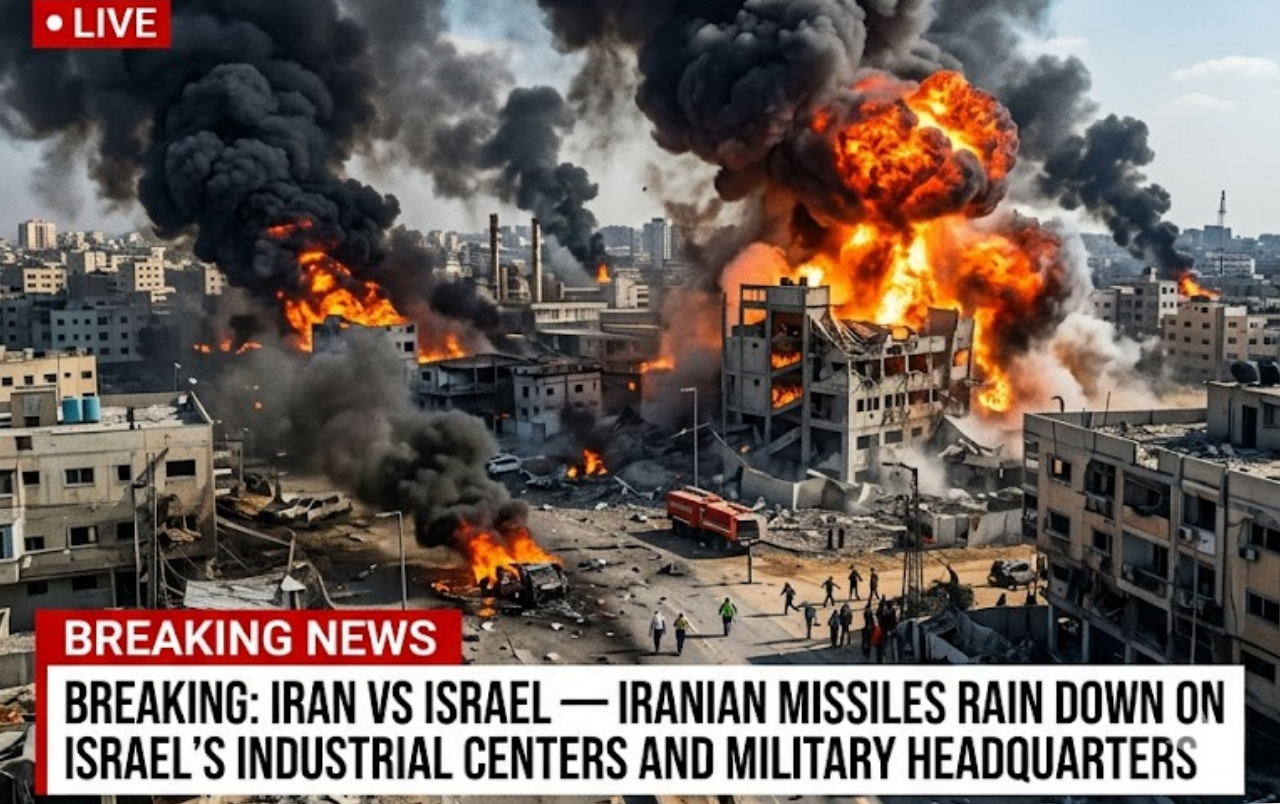
In the ongoing and intensifying conflict between Iran and Israel, a new phase of retaliation has unfolded as Tehran reportedly launched multiple missile barrages targeting Israeli territory, including major industrial zones and key military command centers. These latest attacks mark a significant escalation in direct Iranian engagements within the broader regional war that has been unfolding since early 2026.
According to Israeli military and defense commentary, radar and surveillance systems detected several Iranian ballistic and cruise missiles launched toward Israeli population and industrial hubs. One of the most notable impacts occurred in the Neot Hovav industrial zone in southern Israel, an area that houses chemical plants, high‑tech facilities, and manufacturing infrastructure. At least one missile struck this region, prompting emergency sirens and swift responses from fire and rescue units, though early reports said there were no immediate injuries or hazardous material releases. This barrage was widely viewed as a retaliatory measure linked to prior Israeli airstrikes that targeted Iranian petrochemical production facilities, which Jerusalem described as key sources of revenue for the Islamic Revolutionary Guard Corps.
The pattern of missile launches reflects Tehran’s broader strategy throughout the conflict to pressure Israeli defense systems and strike at both civilian and military targets. Over recent weeks, Iranian missiles have previously struck near or within central Israel, including urban areas such as Tel Aviv and the Ramat Gan region, leading to civilian casualties in some cases and damaging residential sites when air defenses failed to intercept intercept every projectile. These attacks have caused loss of life and widespread alarm among the Israeli population, with some strikes killing members of the public and injuring dozens at construction sites and other locations outside major shelters.
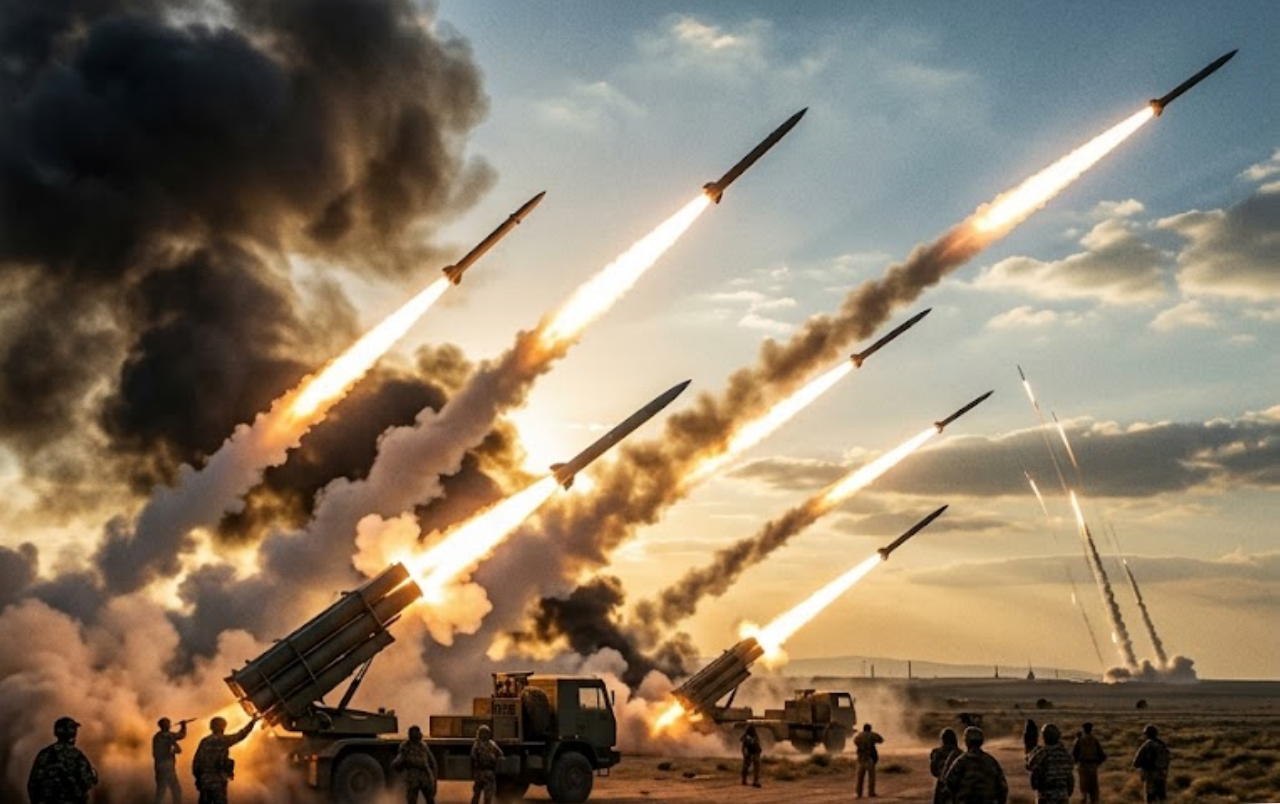
In addition to industrial zones, Iran has claimed responsibility for targeting Israeli military infrastructure. Iranian statements assert that launches have been aimed at bases and command facilities said to be involved in operations against Iranian territory and interests. Although specifics regarding damage to Israel’s military headquarters are not always independently verified in real time, Tehran’s rhetoric frames these strikes as direct responses to Israeli operations, including targeted killings of senior Iranian military figures and strikes on Iranian nuclear‑related sites.
The Israeli Defense Forces (IDF) have reported that their air defense systems, including long‑range interceptors and short‑range batteries, are actively engaging inbound missiles. Israel’s integrated defense architecture has intercepted many, but not all, projectiles. Some missile fragments, either from the Iranian warheads or from intercepted interceptors, have fallen into populated areas, including Jerusalem and its Old City, causing secondary damage and forcing residents to shelter.
The impact of these continued attacks reverberates beyond the immediate destruction of infrastructure. Israeli authorities have extended wartime restrictions and reinforced civil defense protocols as air raid sirens and shelter orders remain frequent occurrences. The psychological toll on civilians, coupled with economic disruption to industrial production and international concerns about broader escalation, underscores the fragility of the current situation.
International reaction has been mixed, with some nations calling for urgent de‑escalation and renewed diplomatic efforts to halt hostilities before further infrastructure and civilian sites are hit. Meanwhile, Tehran maintains that its missile strikes are legitimate acts of retaliation against what it sees as existential threats from Israeli military actions and allied operations.
As Iranian missile salvos continue, the dynamic between offensive strikes and defensive interceptions will shape both military strategy and civilian life in Israel for the foreseeable future.
