In a hearing room long associated with partisan spectacle, Hillary Clinton returned to Capitol Hill on Tuesday under subpoena, facing a Republican-led United States House Committee on Oversight and Reform determined to question her about matters related to the late financier Jeffrey Epstein.

By the end of the session, what began as an inquiry framed around transparency had evolved into a broader confrontation over political hypocrisy, selective scrutiny and the still-unfolding controversies surrounding President Donald Trump.
Mrs. Clinton, who served as secretary of state and was the Democratic nominee for president in 2016, stated under oath that she had never met Epstein, never traveled on his aircraft and never visited any of his properties. She challenged committee members to produce evidence to the contrary. “If there is proof, present it,” she said, according to attendees. None was offered during the public portion of the hearing.
Republican members described the session as part of a broader effort to examine elite networks that enabled Epstein’s criminal conduct. Democrats countered that the hearing amounted to what one member called “partisan political theatre,” arguing that the committee was targeting a political adversary with no documented connection to Epstein while avoiding more politically fraught lines of inquiry.
The hearing unfolded against a backdrop of renewed scrutiny of Epstein-related records. An investigation reported by NPR said the Justice Department had withheld more than 50 pages of FBI interview notes involving a woman who alleges she was sexually assaulted by Mr. Trump as a minor. NBC News reported that notes from three of four FBI interviews with the accuser had not been made public. The Justice Department has not publicly detailed the reasons for the redactions.
Democratic lawmakers pressed that point repeatedly. Representative Robert Garcia of California, the committee’s ranking Democrat, described the situation as a potential “White House cover-up” and called on Attorney General Pam Bondi to explain the scope of the withheld material. Republicans on the panel did not directly address those allegations during the hearing.
Mrs. Clinton pivoted to that contrast. If the committee’s objective was to expose wrongdoing tied to Epstein, she said, then it should summon those who appear frequently in the investigative files and question them under oath. Public press conferences and social media statements, she suggested, were insufficient substitutes for sworn testimony.
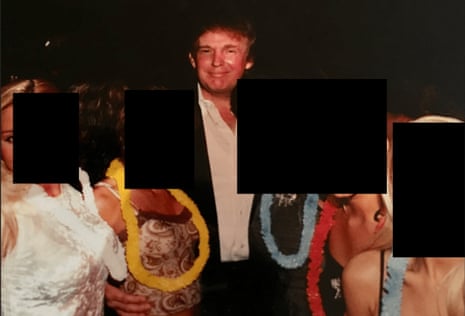
Epstein, who died in federal custody in 2019 while awaiting trial on sex trafficking charges, maintained social and business relationships with figures across the political and financial spectrum. Court documents released in recent years have mentioned numerous public officials, though appearance in records does not imply criminal conduct. Mr. Trump has previously acknowledged knowing Epstein socially in the 1990s and early 2000s but has denied wrongdoing.
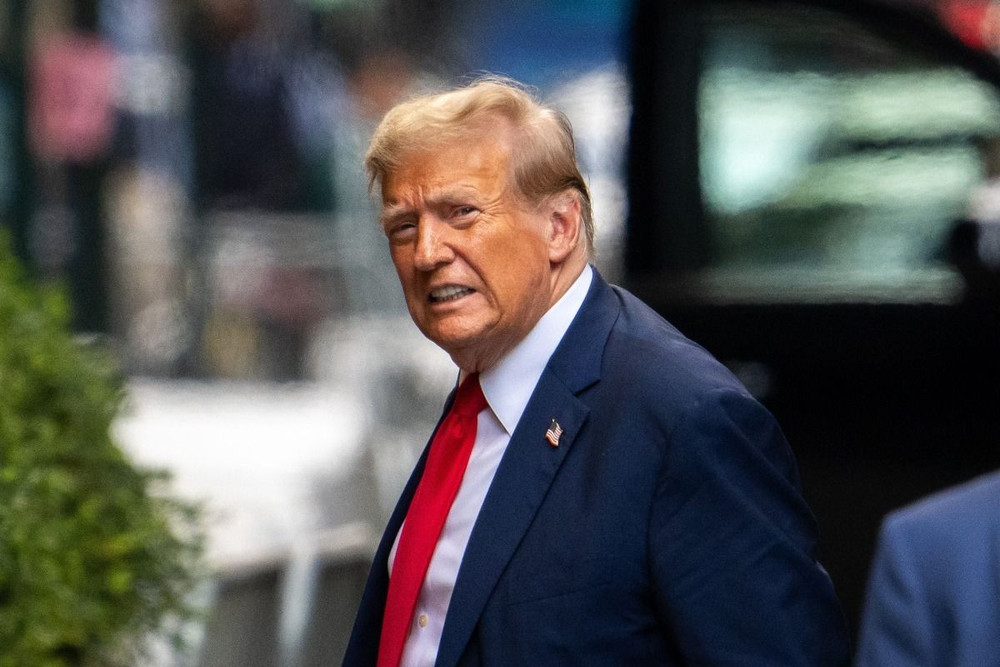
Republicans framed the hearing as part of a broader push for accountability, arguing that public trust in institutions depends on confronting uncomfortable questions regardless of party. Yet several Democrats noted that no evidence had been presented linking Mrs. Clinton to Epstein’s activities. One Virginia lawmaker said there was “zero evidence — zip, zilch, nada” that she had knowledge of his crimes.
For Mrs. Clinton, the setting carried echoes of past confrontations. In 2015, she testified for more than nine hours before a House select committee investigating the 2012 attack in Benghazi, Libya. That appearance, while contentious, was widely viewed as a disciplined performance that bolstered her standing among Democratic supporters.
Tuesday’s session was shorter but similarly combative. Mrs. Clinton adopted a measured tone, alternating between direct denials and broader critiques of what she characterized as selective outrage. Observers in the room described moments of visible frustration among some Republican members as she turned questions about her own conduct into challenges directed at the administration.
The political stakes extend beyond personal reputations. Allegations surrounding Epstein continue to reverberate through Washington, fueling calls from across the ideological spectrum for fuller disclosure of investigative files. Transparency advocates argue that partial releases risk deepening public suspicion, while legal experts caution that privacy laws and ongoing proceedings can complicate disclosure.
Whether the hearing shifts that balance remains uncertain. Republicans have not signaled plans to subpoena Mr. Trump, and the White House has denied any effort to conceal material evidence. Democrats, meanwhile, appear intent on using the episode to argue that oversight has become uneven.
As the session adjourned, Mrs. Clinton exited the hearing room without additional comment. Outside, cameras clustered along the hallway, capturing reactions from lawmakers on both sides. The broader questions — about accountability, transparency and the boundaries of congressional oversight — remain unresolved.
In a Congress often defined by confrontation, Tuesday’s hearing underscored a familiar dynamic: investigations can illuminate, but they can also expose the politics of who is called to testify — and who is not.