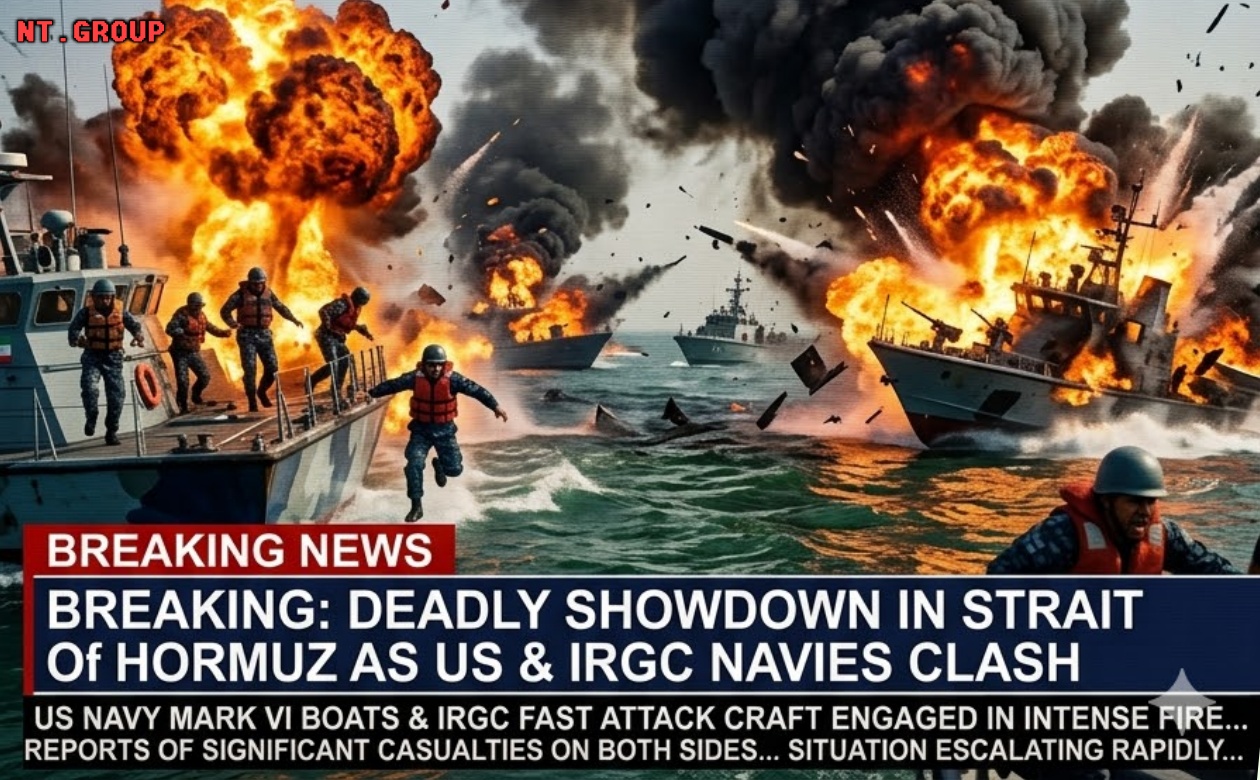
As tensions in the Middle East escalate into a full‑blown multi‑front confrontation, attention has increasingly shifted from airstrikes and ballistic missile duels to the maritime battleground, where Iran’s unconventional naval forces could soon find themselves facing some of the most formidable U.S. naval capabilities deployed in decades.
At the heart of the looming showdown is Iran’s Islamic Revolutionary Guard Corps Navy (IRGCN) — a force built not around big, conventional destroyers but around small, fast gunboats, drone‑carrying vessels, and swarming attack tactics. Unlike a traditional fleet, the IRGC navy operates with speed, surprise, and asymmetric tools designed to harass larger warships and disrupt critical chokepoints such as the Strait of Hormuz.
In fact, earlier in the conflict Iranian gunboats aggressively approached a U.S.‑flagged oil tanker in the Strait of Hormuz, attempting to force it to stop before U.S. naval escorts intervened — a stark example of Pro‑Tehran tactics at sea. At the same time, Iran’s naval forces have attempted to assert control over waterways, including setting up tolled passage lanes in strategic areas to influence commercial traffic.
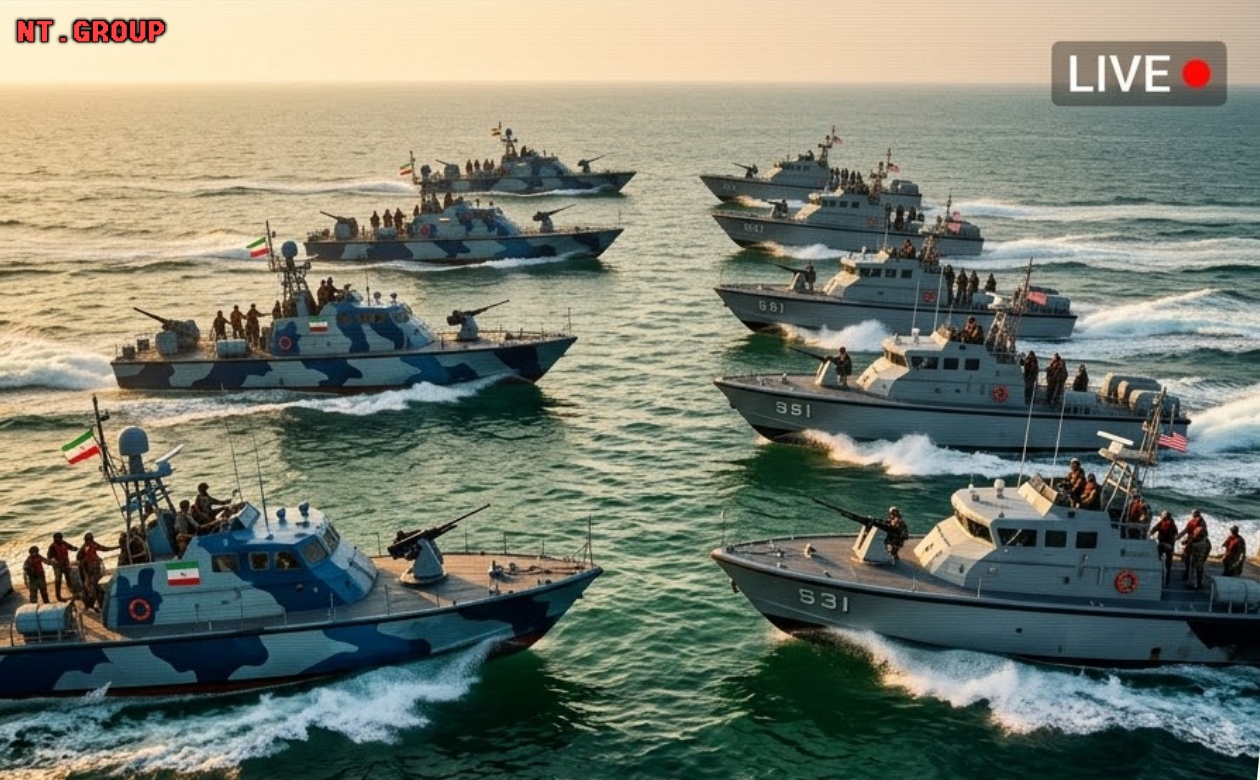
But while Tehran leans on “swarm” strategies, the United States Navy and Marine Expeditionary forces have been building a formidable response. Carrier strike groups, including the USS Gerald R. Ford and warships currently positioned in the wider region, maintain a deep sea presence meant to deter Iranian actions and protect shipping lanes. Meanwhile, amphibious assault ships like USS Tripoli — carrying Marines and aircraft capable of vertical takeoffs — are deployed close enough to provide rapid strike or coastal control options if needed.
The broader U.S. strategy appears to combine high‑end naval firepower with distributed, rapid‑response forces that could counter IRGC swarming tactics more effectively than large carriers alone. A traditional carrier strike group, such as the Lincoln, has not yet moved into striking distance of Iran proper, but U.S. commanders have positioned multiple surface combatants, destroyers, and Marine units poised for a maritime phase of the fight if the war expands.
Iran, for its part, has not backed down from naval brinkmanship. The IRGC has periodically touted attacks on U.S. naval assets — including claims of missile strikes on the USS Abraham Lincoln — though independent verification of such hits remains unclear.
A face‑off at sea, therefore, is less likely to resemble huge set‑piece battleships clashing and more likely to involve fast attack boats, drone crafts, anti‑ship missiles, coastal missile batteries, and amphibious forces on both sides. The question isn’t just if a maritime engagement will occur — but when and how intensely the IRGC’s asymmetric watercraft will collide with the U.S. Navy’s complex, layered sea power in one of the world’s most critical waterways.
