Senate Scrutiny Intensifies Over Subpoenas Targeting Lawmakers
Kennedy Presses Bondi on Privacy Protections for Senators
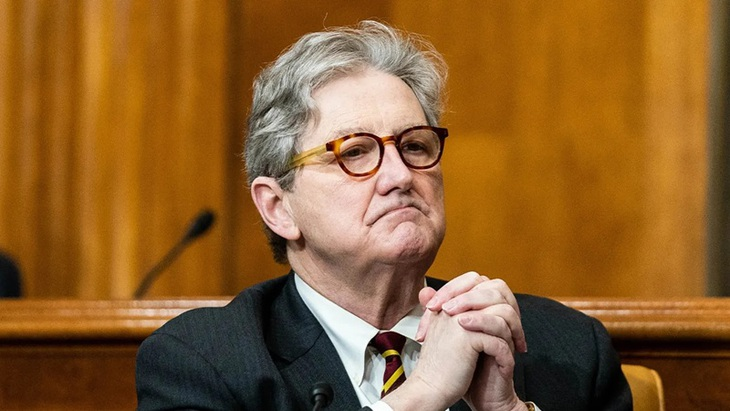
WASHINGTON — Senator John Kennedy, Republican of Louisiana, delivered a methodical and pointed line of questioning to Attorney General Pam Bondi during a Senate Judiciary Committee oversight hearing, focusing on the Justice Department’s use of subpoenas to obtain phone records of eight sitting United States senators.
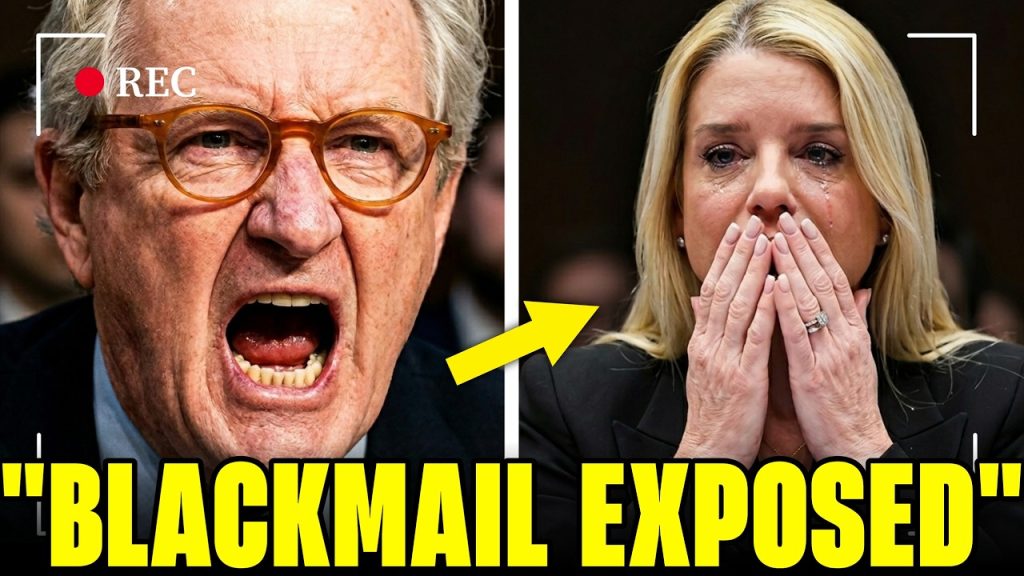
Mr. Kennedy walked Attorney General Bondi through the legal process required to access such sensitive information, emphasizing that telecommunications companies typically demand a subpoena supported by probable cause or good cause, often reviewed and signed by a judge.
Telecom Companies Faced with Unusual Requests
The senator repeatedly highlighted the extraordinary nature of seeking records belonging to sitting lawmakers. He noted that phone companies, such as AT&T, would normally consult their general counsel and could file a motion to quash the subpoena if they believed it raised serious privacy or legal concerns.
Mr. Kennedy suggested that a prudent general counsel might even notify the affected senator to allow them to weigh in, though he acknowledged limitations around tipping off potential subjects of criminal investigations.
Bondi Cites Limited Knowledge of the Case
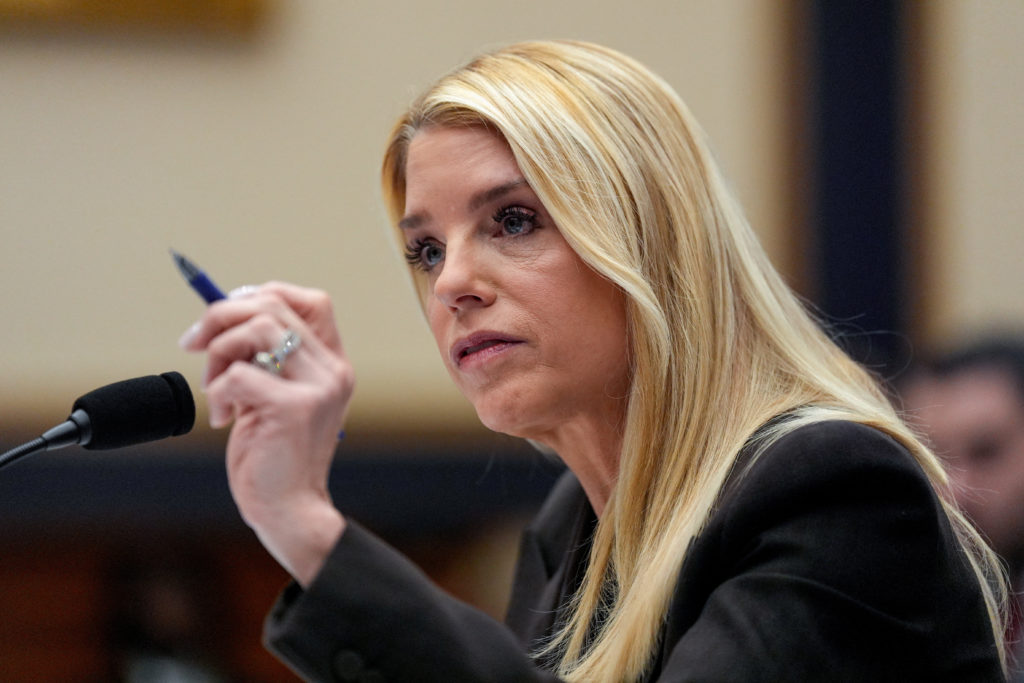
Attorney General Bondi responded cautiously, stating she had only recently learned of the matter along with F.B.I. Director Kash Patel. She declined to discuss specifics, repeatedly citing constraints around ongoing or potential investigations.
When asked whether she possessed copies of the subpoena applications, Ms. Bondi said she could not comment on the details.
Questions Raised About Notification to Leadership
Mr. Kennedy pressed further, asking whether a special counsel pursuing such records would be expected to inform the attorney general or the F.B.I. director. Ms. Bondi indicated that, in general, the F.B.I. would assist in executing a valid subpoena.
The exchange underscored broader concerns about oversight, accountability, and potential civil liability for telecommunications companies that complied without challenge.
Shift to Epstein Blackmail Allegations
Later in the hearing, Mr. Kennedy turned to the Jeffrey Epstein case, referencing a New York Post interview with Commerce Secretary Howard Lutnick, who had been Epstein’s next-door neighbor.
In the interview, Mr. Lutnick described Epstein as “the greatest blackmailer ever” and suggested that some prominent men not only knew of his behavior but participated in it, with activities involving massages that Mr. Lutnick implied were recorded.
Bondi Acknowledges Seeing Clip but Not Transcript
Attorney General Bondi confirmed she had seen the clip of the interview but had not reviewed the full transcript. She stated that the Justice Department had not uncovered evidence of blackmail in its prior reviews across multiple administrations.
Mr. Kennedy asked whether the department had interviewed Mr. Lutnick. Ms. Bondi replied that no interview had taken place but indicated that one could occur if Mr. Lutnick or F.B.I. Director Patel deemed it appropriate.
Concerns Over Investigative Thoroughness
The senator questioned why such a potentially significant lead from a cabinet official who lived adjacent to Epstein had not prompted immediate follow-up. He suggested the department should speak with Mr. Lutnick to better understand the claims.
Ms. Bondi reiterated that any decision to interview would depend on the priorities of the F.B.I. and the individuals involved.
Hearing Highlights Tensions Over Transparency
The exchange reflected ongoing partisan tensions surrounding the Justice Department’s handling of high-profile investigations, including those linked to Mr. Epstein and past inquiries into events surrounding the 2020 election.
Critics have long called for greater disclosure of documents related to Mr. Epstein, while the department has maintained that certain materials remain under review or protected by investigative needs.
Broader Implications for Oversight
Mr. Kennedy’s questioning appeared designed to establish a clear record of the legal standards for subpoenas involving elected officials and to highlight perceived gaps in the department’s approach to both the phone records matter and the Epstein files.
Attorney General Bondi maintained a measured tone, frequently deferring on specifics while defending the department’s commitment to following legal procedures.
Calls for Further Examination Likely
As the hearing concluded, the issues raised by Senator Kennedy — ranging from the propriety of subpoena practices involving lawmakers to the handling of Epstein-related allegations — are expected to fuel continued congressional scrutiny and demands for additional transparency from the Justice Department.
