He was the kind of boy who ended up taped to bedroom walls and tucked into school binders — the soft-spoken, soulful face of countless ’80s crushes. With tousled dark hair, a shy smile, and a quiet intensity, Andrew McCarthy made teenage longing feel oddly personal, like he was looking straight at you.
But behind the posters and polished publicity shots, his rise to fame was chaotic, and the life he was living off-camera was far more fragile than it looked.
From New Jersey kid to unexpected star
Born in 1962 in Westfield, New Jersey, Andrew McCarthy grew up far from Hollywood glamour. He was the third of four boys; his mother worked at a newspaper, and his father handled investments. It was a typical, middle-class East Coast upbringing — no industry connections, no obvious path to stardom.
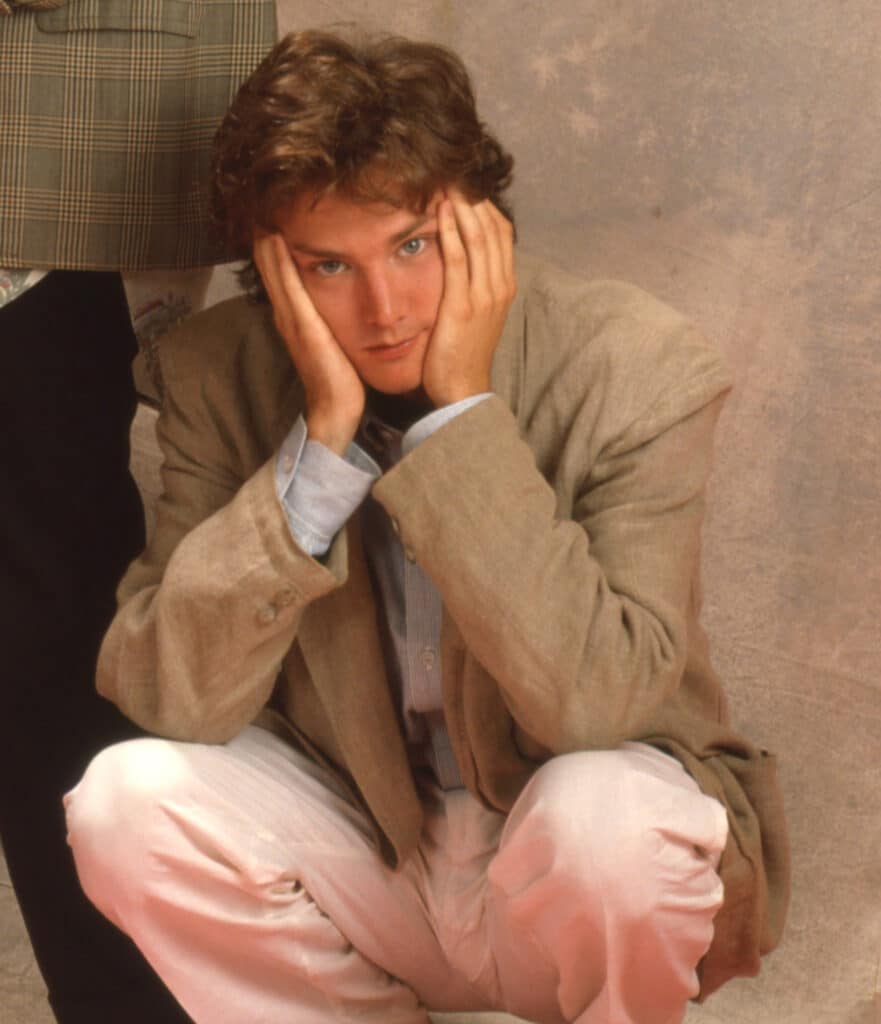
As a teenager, he fell in love with performing, even as he struggled to fit in.
“I just felt sort of very lonely at school. I just didn’t feel like I belonged there,”
he once recalled.
After high school, he enrolled at NYU to study acting — and quickly flamed out.
“I didn’t really go [to class],”
he admitted later. He was expelled after two years.
Just weeks later, everything changed. Andrew answered an open casting call in a newspaper for a film called Class, starring Jacqueline Bisset.
“I waited for hours with 500 other kids and they call me back. It was so out of the blue. One week I was in school and the next week I’m in bed with Jacqueline Bisset. I thought, ‘I’m doing something right here,’”
he said.
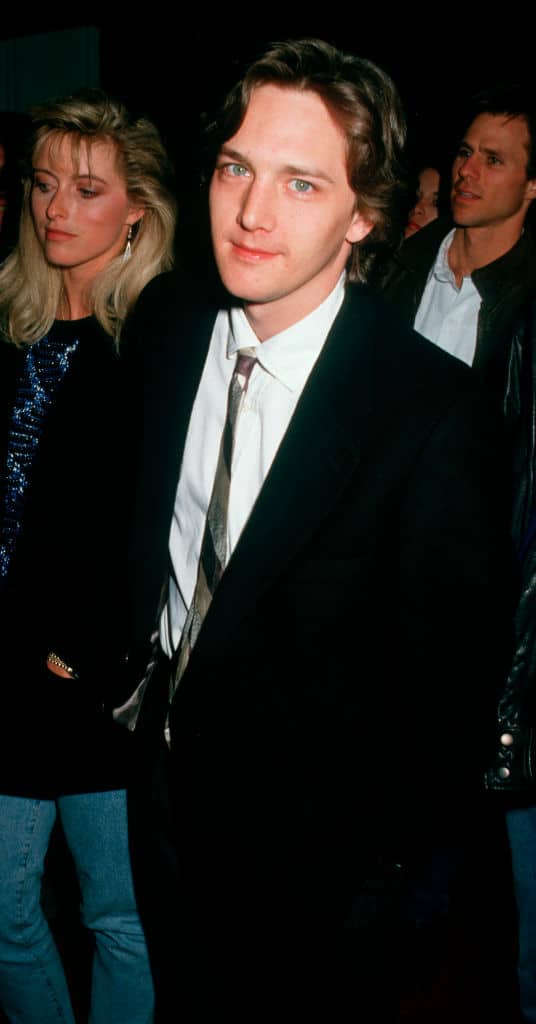
His performance as Jonathan, the prep school student having an affair with his roommate’s mother, made Hollywood pay attention. NYU suddenly came calling again:
“Then [NYU] offered that I come back, pay the tuition and I could use [the movie] as independent study. I told them to go f*** themselves.”
Brat Pack fame and private pain
The mid-’80s turned Andrew McCarthy into a full-blown teen idol. He starred in St. Elmo’s Fire (1985) alongside Rob Lowe, Judd Nelson, Emilio Estevez, and Demi Moore; then came Pretty in Pink, where his quiet, understated charm opposite Molly Ringwald cemented his heartthrob status. Films like Mannequin and later Weekend at Bernie’s made him one of the most familiar faces of the decade.
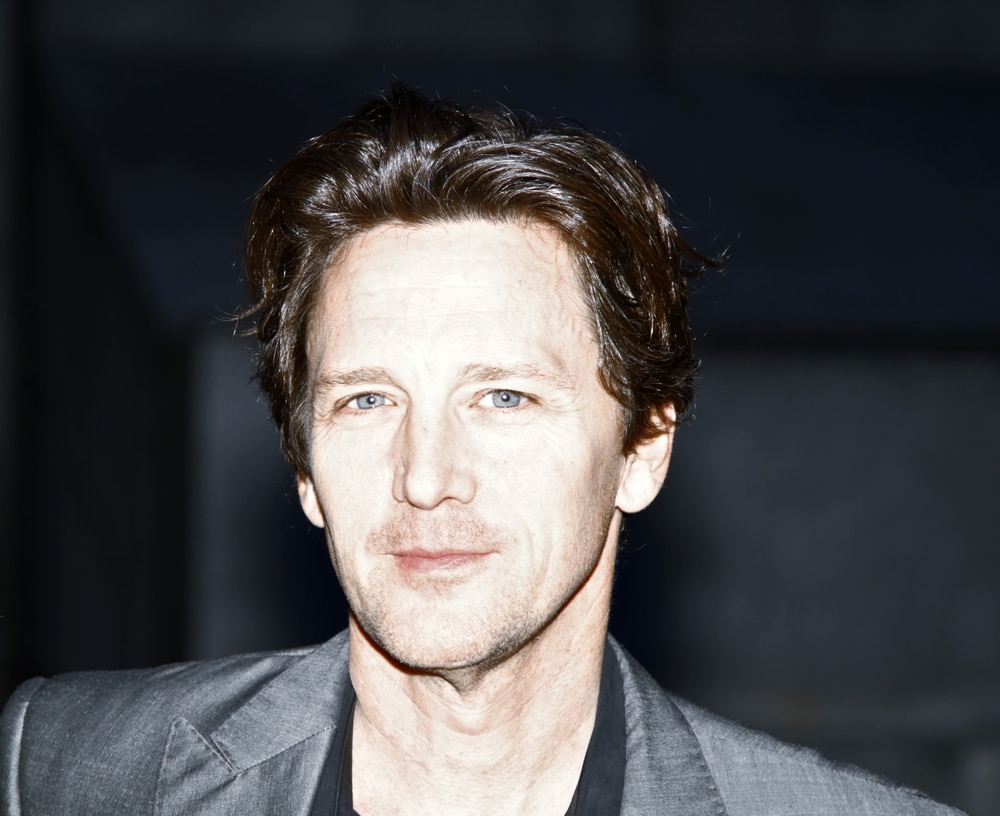
Yet for all the attention, he never felt built for fame.
“I was totally unprepared for any kind of success when I was a young person. I didn’t know anyone who was successful in that way in show business, or famous,”
he once shared.
“I also temperamentally wasn’t particularly suited for it. Attention made me recoil.”
Being labeled part of the “Brat Pack” didn’t help. The media lumped him in with a crowd of young actors often portrayed as entitled party kids, whether it truly fit or not.
Behind the scenes, Andrew was grappling with something darker: alcohol. He’d started smoking weed in high school and drank socially, but as his fame grew, so did his dependence.
Talking about Pretty in Pink, he later admitted:
“Like in Pretty in Pink for example, people said, ‘Oh, he’s so sensitive and lovely in that movie.’ I was so hungover for that whole movie… I’m thinking, ‘God, I got a headache. I am just dying here. I got to go lay down’. But on film I came across a certain way.”
Alcohol gave him a kind of counterfeit confidence.
“If I was frightened, it gave me good Dutch courage,”
he said.
“I felt confident and sexy and in charge and in control and powerful — none of those things I felt in my life.”
He dabbled briefly in cocaine too:
“If you had it, I did it,”
he admitted — though he rarely used it on set.
“I was anxious enough — I didn’t need to be adding cocaine.”
Hitting bottom and starting over
In 1989, just before filming Weekend at Bernie’s, McCarthy quit drinking cold turkey and retreated from the social scene. For an introvert, isolation wasn’t the hardest part.
“I’m very comfortable being alone and I’ve always been comfortable being alone,”
he said years later.
“I find that people go to great lengths to avoid being alone and they get themselves into a lot of trouble. I find that a lot of unhappiness is from trying not to be alone.”
Still, sobriety didn’t stick right away. While filming Jours tranquilles à Clichy, he accepted a beer from a co-star—and watched his hands shake as he lifted the can. What followed were three “lost and painful” years, ending with him collapsed on a bathroom floor, violently hungover and shaking.
At 29, he checked himself into rehab, went through detox, and committed to a life without alcohol or drugs. That decision quietly changed everything.
Reinventing himself: director, writer, traveler, dad
As the years passed, Andrew McCarthy shifted away from the glossy teen-idol spotlight into a quieter, more multifaceted career.
He directed episodes of major TV series like Orange Is the New Black and Gossip Girl, and focused more on independent film. Off-screen, he discovered another passion: travel writing. In 2010, he was named Travel Journalist of the Year and has since written for outlets such as National Geographic Traveler and Men’s Journal.
“People say, ‘How does an actor become a travel writer? That’s interesting. They are so different.’ But they are exactly the same to me. They manifest in the same way in that they’re both storytelling, and that’s how I communicate. They’re both some expression of creativity,”
he explained.
Travel, he says, brings out his best self.
“I’m just a better version of myself when I’m traveling,”
he told NJ Monthly.
“You’re more vulnerable, you’re present in the world, your ‘Spidey sense’ is up.”
His personal life has had its own chapters. He married his college sweetheart, Carol Schneider, in 1999 after reconnecting decades later:
“I ran into someone who said they had seen Carol and her boyfriend and they seemed really happy, and for some reason it bothered me for a week. I called her and asked her if she was really with this guy and asked her out for coffee.”
They welcomed a son, Sam, in 2002 before divorcing in 2005. In 2011, he married Irish writer and director Dolores Rice; together they have two children, Willow and Rowan.
Today, McCarthy lives a relatively normal family life in New York’s West Village. He’s directed nearly a hundred hours of television, raised three kids, and built a second career with words instead of lines.
Looking back without nostalgia
Decades after his ’80s heyday, Andrew McCarthy remains a beloved figure for fans who grew up watching him on VHS and cable reruns. Commenters still swoon over his photos:
“Still as gorgeous as ever ❤️”
“He’s aged very well indeed ❤️”
“Gosh, you’re gorgeous.”
But he himself doesn’t dwell much on the past.
“It’s nice,”
he says about the enduring love for his old films.
“It’s their experience, but it doesn’t have a lot to do with me particularly at this point. I don’t have a lot of nostalgia for my past.”
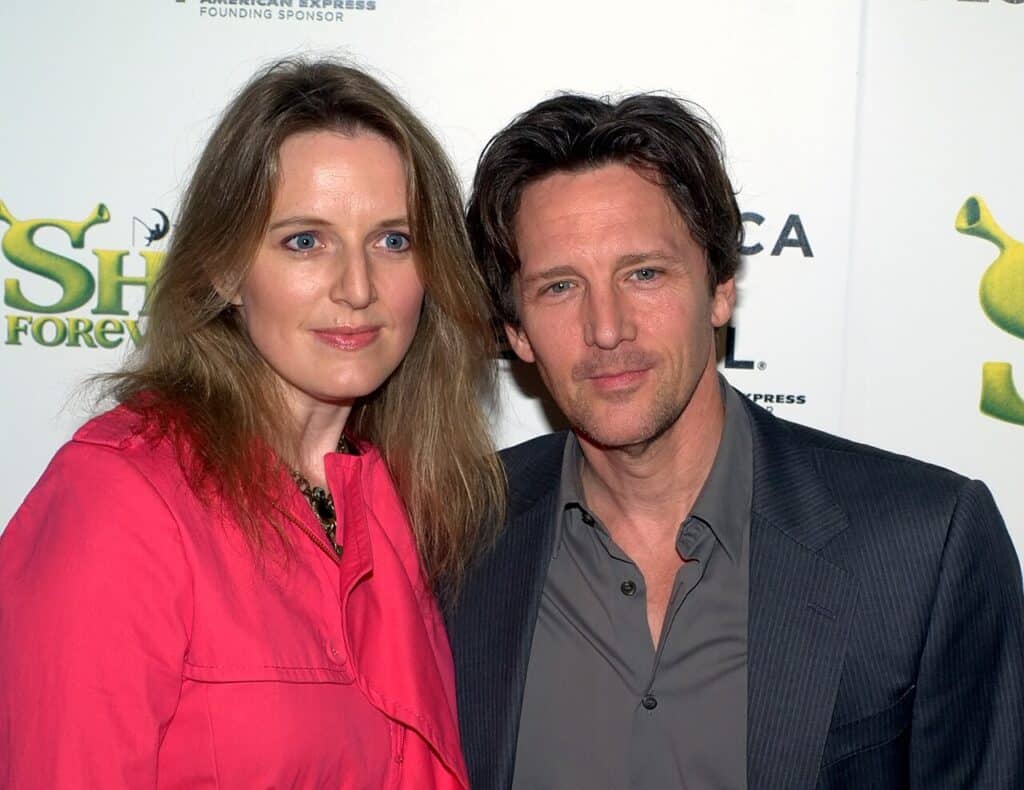
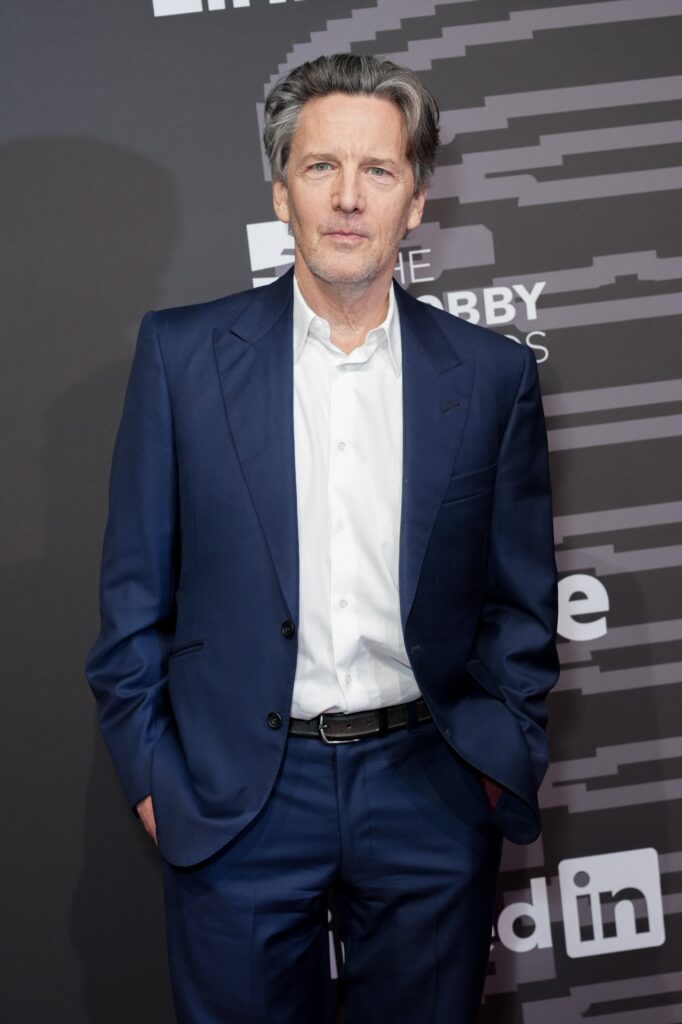
His features have sharpened, his expression deeper, more lined, but there’s a steadiness there that wasn’t present in his early fame. After watching so many young stars burn out, his journey — through addiction, recovery, reinvention, and fatherhood — feels nothing short of remarkable.
“I adore my children, naturally,”
he says simply.
The boy who once made millions of teenagers swoon didn’t just survive Hollywood; he outgrew it on his own terms — proving that sometimes the most compelling story isn’t the rise, but what you choose to do with your second act.
