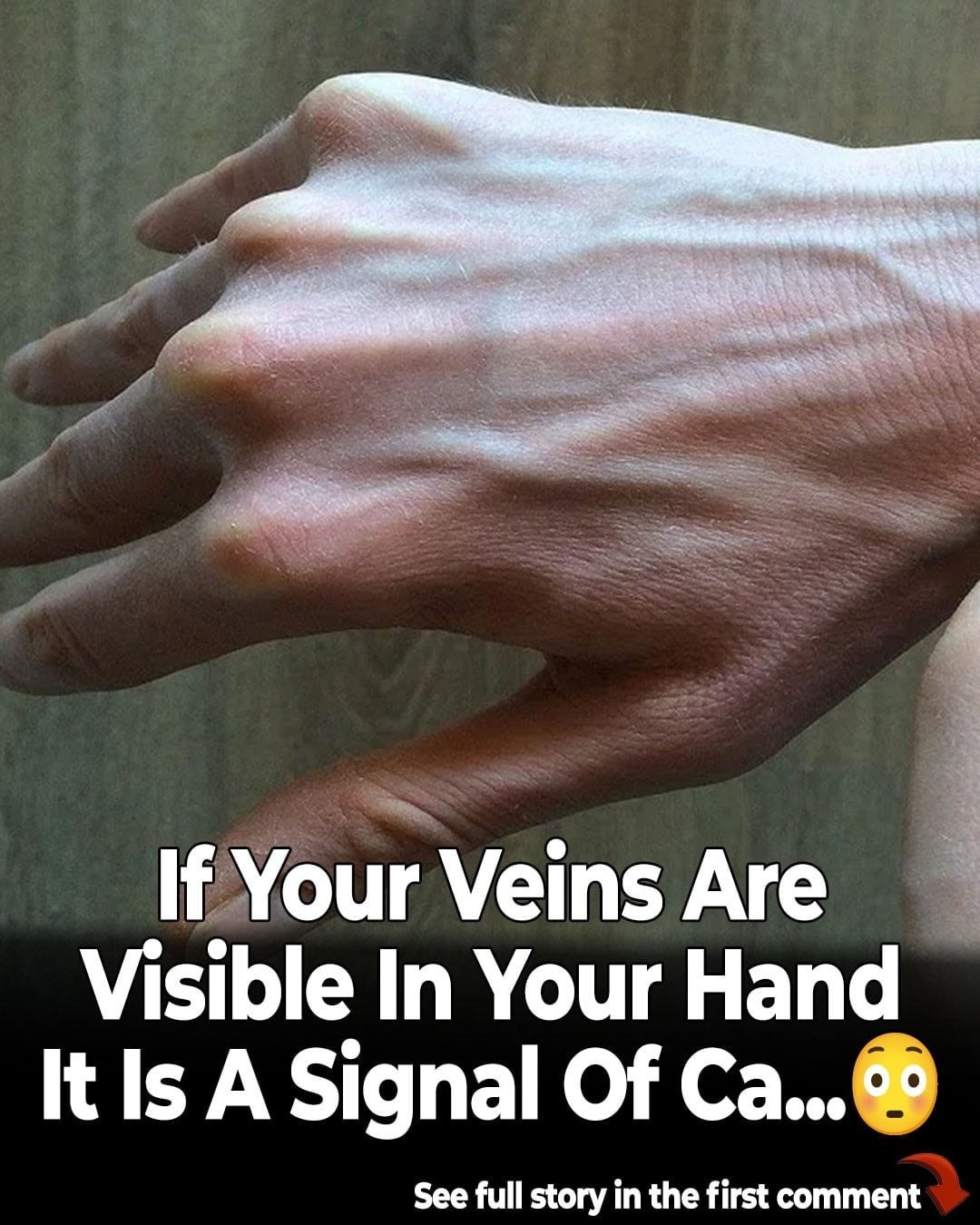
Visible or bulging veins are common, and for many people they are simply part of how the body looks. Veins often sit close to the surface of the skin. Their appearance changes from day to day based on blood flow, temperature, and movement. Although most visible veins are harmless, it is helpful to understand why they appear and how to recognize signs that deserve medical attention.
Everyday factors play a major role in vein visibility. After exercise, blood vessels widen to help the body cool, which can make veins stand out more clearly. Aging also changes skin and connective tissue, creating less coverage over the veins and allowing them to show through. Hot weather causes veins to expand, while tight clothing can restrict blood return and make veins seem larger. Genetics influence vein shape and structure, so some people naturally have more visible vessels. Sun exposure thins skin over time, and extra body weight places pressure on the circulatory system. All of these normal conditions can produce veins that look prominent.
For most individuals, visible veins cause no harm. They may appear blue or green and sometimes rise slightly above the skin. They are usually painless. When veins are visible without discomfort, they are typically a cosmetic concern rather than a medical problem. However, pain, swelling, skin discoloration, itching, or warmth around a vein are signals to see a healthcare provider. These symptoms suggest inflammation or circulation issues that require professional guidance.
Bulging veins often develop when blood does not move smoothly back to the heart. Vein walls and tiny valves inside them normally prevent blood from falling backward due to gravity. When these structures weaken, blood can pool. This creates veins that twist, swell, and rise from the skin surface.
Varicose veins are one of the most familiar results. They appear most often in the legs because the lower body works against gravity. They can also affect the arms. People may feel heaviness, throbbing, or aching after standing or sitting still for long periods. The Cleveland Clinic states that smoking, obesity, hormonal changes, pregnancy, genetics, and limited movement raise the risk of varicose veins by putting added stress on the vessels.
Treatment varies. Mild cases may improve with regular walking, leg elevation, or compression stockings. More advanced cases can be treated with injections that close the affected vein or with surgical procedures that remove or seal it.
Ignoring serious vein issues can lead to complications such as slow healing ulcers on the legs or the formation of blood clots. Prevention is not always possible, yet healthy habits reduce risk. Staying active, keeping a stable weight, wearing loose clothing, avoiding smoking, and protecting skin from excessive sun exposure all support vein health. If concerns persist or symptoms appear, a medical visit offers clarity and reassurance.
