At one point, she was one of the most recognizable faces in the world, known less for what she did and more for what she represented: wealth, glamour, excess, and a carefully curated party-girl image. To the public, her life appeared effortless—lavish events, reality television fame, and a bubblegum-pink persona that became a permanent fixture of early-2000s pop culture. What most people didn’t see was the deeply traumatic childhood that shaped everything that followed.
Born in 1981, Paris Hilton spent much of her childhood moving between Beverly Hills, the Hamptons, and even a suite at Manhattan’s Waldorf-Astoria Hotel. Family members have described her as a tomboy who loved animals and once dreamed of becoming a veterinarian. Her mother recalled how she would save money to buy monkeys, snakes, and goats, even leaving “the snake out the cage […] at the Waldorf.”
Despite that adventurous side, she grew up in what she later described as a very sheltered and conservative household. Her parents were strict—she wasn’t allowed to date, wear makeup, attend school dances, or dress a certain way. She was also enrolled in etiquette classes with the intention of becoming a debutante, something she resisted because it didn’t feel “real” or “natural” to her.
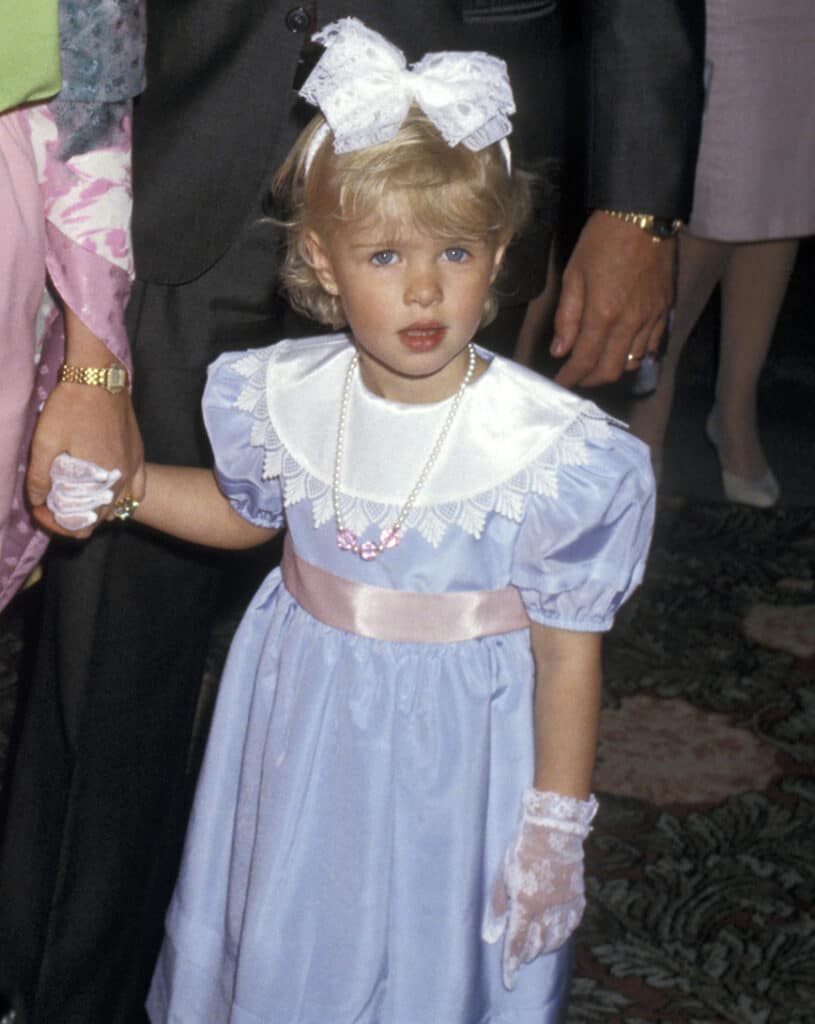
As a teenager, she began to rebel. She skipped school, snuck out to parties, and at just 14 years old was groomed by a teacher. When her parents discovered her kissing an adult man, they made a decision that would permanently alter her life: she was sent to a boarding school for “troubled” youth in Utah.
Years later, she would describe the experience as profoundly abusive. In a documentary, she referred to the facility as “the worst of the worst.”
“You’re sitting on a chair staring at a wall all day long, getting yelled at or hit,”
she said, adding that many staff members were “used to hurting children and seeing them naked.”
She alleged that students were forced to take unidentified pills that left them exhausted and emotionally numb, and that strip searches were routine.
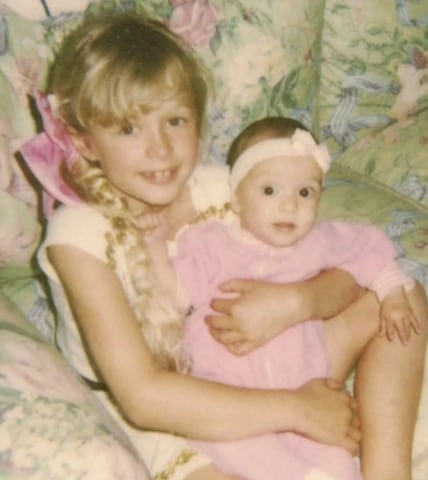
“It felt like I was going crazy,”
she recalled. Terrified, she told no one—not even her parents. A staff member warned her that if she spoke up, she would be accused of lying and punished further.
The trauma followed her into adulthood. She later revealed that she still experiences recurring nightmares and sleeps only a few hours a night.
“For the past 20 years, I’ve had a recurring nightmare where I’m kidnapped in the middle of the night by two strangers, strip-searched, and locked in a facility.”
She has also spoken openly about struggling with ADHD at a time when diagnoses were far less common. The creative strengths that often accompany it went unrecognized.
“My childhood would have been very different if I’d been diagnosed: I definitely wouldn’t have been sent away,”
she told *The Guardian* in 2023.
For years, she coped by leaning fully into a public persona that felt safe and expected.
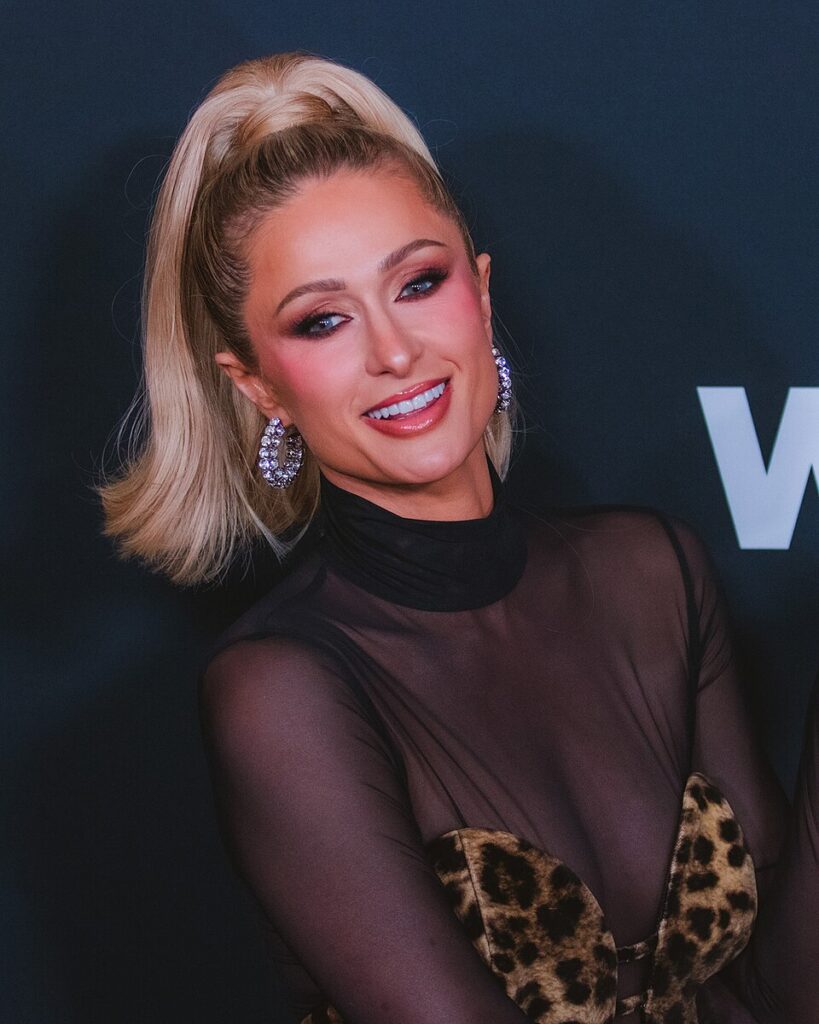
“I just kind of created this character of this Barbie doll [with a] perfect life,”
she said in an interview.
“I continued playing that character because I knew that’s what people wanted.”
Eventually, she decided to speak publicly about what she had endured.
“Sharing my story publicly was the most healing experience of my life,”
she said, explaining that her motivation extended beyond personal healing.
“I cannot go to sleep at night knowing that there are children that are experiencing the same abuse that I and so many others went through.”
Today, she is one of the most prominent advocates calling for reform in the troubled teen industry, pushing for regulation and accountability.
“I’m being the hero that I needed when I was a little girl,”
she said.
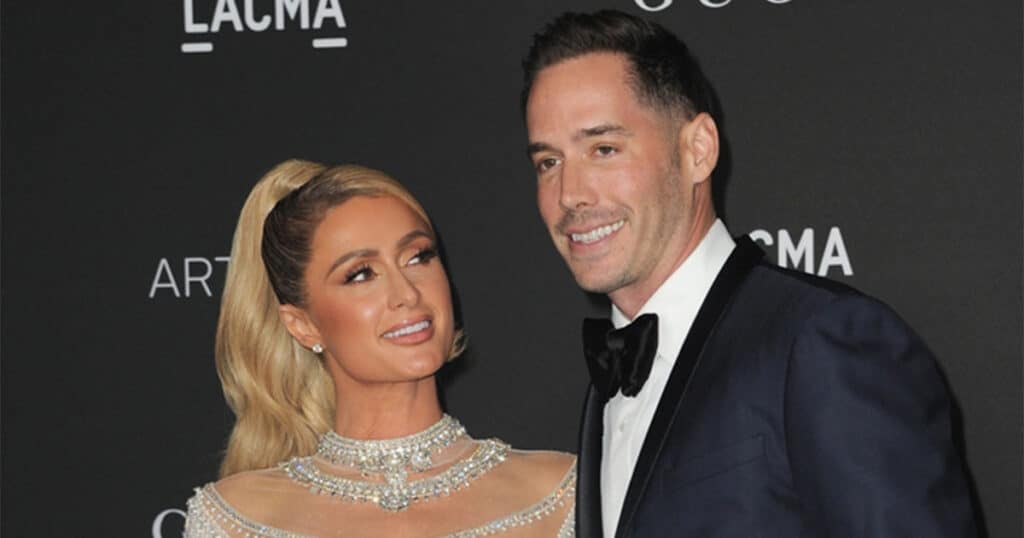
Her life now looks very different. At 44, she has built a business empire worth billions, with product lines and fragrances generating more than $4 billion in sales, alongside successful tech investments, DJ work, and ongoing media projects. She has also spoken about her personal happiness, including her marriage to Carter Reum and becoming a mother to two children via surrogacy after years of IVF. She has said trauma played a role in her inability to carry a pregnancy, writing that her mind and body had “never fully healed” from her teenage experiences.
Motherhood has also given her new perspective on her parents’ strictness. She has said that worrying about her own children has helped her better understand the fear that once drove her family’s decisions.
Today, her story is no longer just about fame or scandal, but about survival, accountability, and using influence to protect others. What once defined her no longer does—and that transformation may be her most lasting legacy.
