The Energy Leak You’re Overlooking: How “Idle” Devices Are Driving Up Your Power Bill
When electricity bills climb, most people blame the obvious suspects—harsh winters, scorching summers, or power-hungry appliances running nonstop. But in many homes, the real drain is far quieter. It comes from devices that appear inactive, silently pulling energy around the clock. What seems insignificant in isolation can become a steady, expensive leak over time.
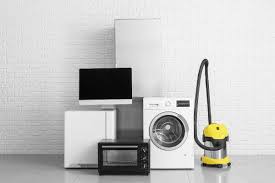
Today’s homes are packed with electronics designed to be always ready. Televisions waiting for a remote signal, game consoles in standby, phone chargers left in outlets, and coffee makers with glowing displays all consume electricity even when they aren’t being used. This “phantom load” may be small per device, but when dozens of items do it simultaneously, the impact adds up—often without homeowners realizing where the extra cost is coming from.
Beyond electronics, everyday habits play a major role in energy consumption. Appliances like refrigerators, water heaters, washers, and heating or cooling systems work hardest when they’re poorly maintained or used inefficiently. Overfilled or underfilled laundry loads, excessively high water-heater settings, and clogged filters force these systems to use more power than necessary. Small inefficiencies repeated daily can quietly inflate monthly bills.
The solution doesn’t require sacrificing comfort or convenience. Simple changes—unplugging devices that aren’t in use, using switchable power strips, adjusting appliance settings, and performing basic maintenance—can significantly reduce unnecessary energy use. Choosing energy-efficient appliances and paying attention to how and when electricity is consumed helps households gain better control over their usage.
Tracking energy consumption over time can also reveal patterns that might otherwise go unnoticed. Once people see where power is being wasted, it becomes easier to adjust routines and make smarter choices that benefit both their budget and the environment.
Conclusion
High energy bills aren’t always the result of one big problem—they’re often caused by many small, overlooked habits. By identifying hidden power drains, using appliances more efficiently, and making modest adjustments at home, homeowners can reduce costs, increase efficiency, and regain control of their energy use without disrupting daily life.
