When it comes to sleep, most people tend to focus on quantity—how many hours they get each night—without paying much attention to quality or the position in which they sleep.
However, research and health specialists suggest that how you position your body during sleep can significantly impact your overall health, digestion, circulation, and even your mood and energy levels the following day.
Sleep is not a passive state; while you rest, your body is hard at work repairing tissues, circulating blood, digesting food, and balancing hormones. The posture you adopt while sleeping can either support these vital processes or subtly hinder them.
Among the various sleep positions—on your back, on your stomach, or on your side—sleeping on the left side is frequently recommended by doctors, nutritionists, and wellness experts as a gentle, yet highly effective adjustment to enhance nighttime comfort and promote optimal body function.
Although it might seem like a minor detail, the way you lie down at night can make a profound difference to your sleep quality, digestion, circulation, and long-term health.
How Left-Side Sleeping Supports Digestion
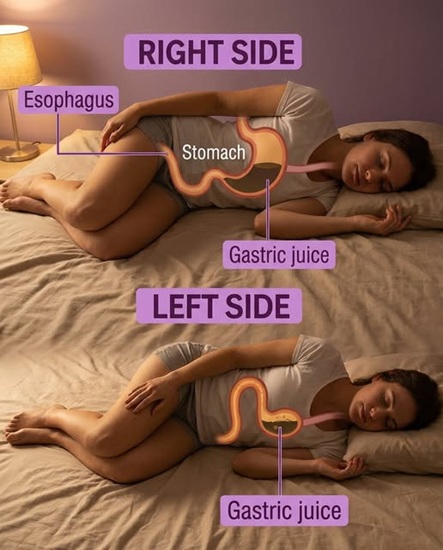
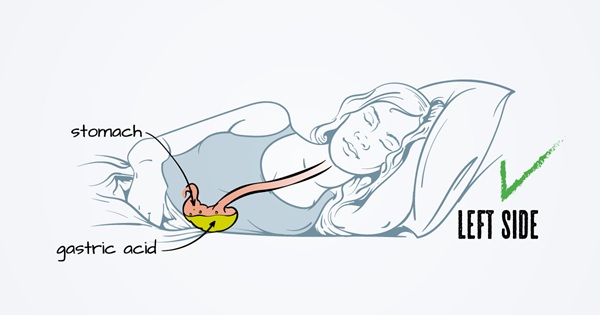
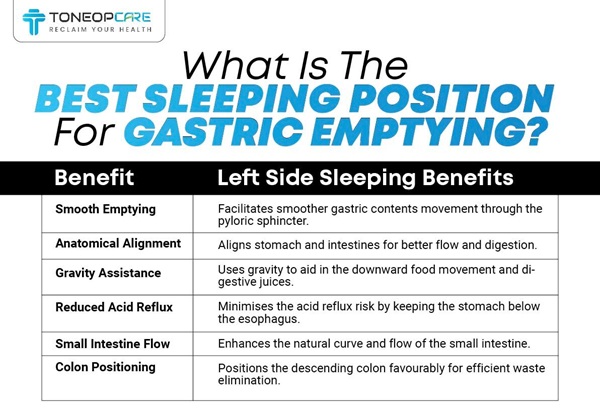
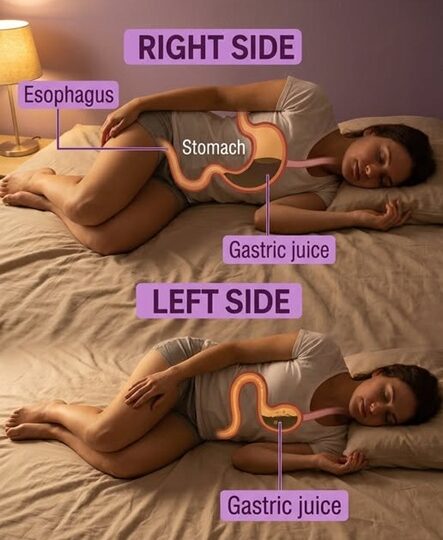
One of the most significant benefits of left-side sleeping is its effect on digestion and gastrointestinal comfort. Anatomically, the stomach is positioned slightly to the left side of the body, and when you lie on your left side, gravity helps keep the contents of the stomach lower than the esophagus.
This simple adjustment can reduce the likelihood of acid reflux or heartburn during the night, a problem that affects millions of adults worldwide.
Acid reflux occurs when stomach acid travels upward into the esophagus, causing discomfort, burning sensations, and often interrupted sleep.
By sleeping on the left side, the angle created between the stomach and the esophagus can help prevent acid from flowing back, allowing for more restful sleep.
For those who eat late dinners or experience mild digestive issues, left-side sleeping can help reduce bloating, indigestion, and nighttime discomfort.
Furthermore, it encourages more natural movement of food through the digestive tract. The position helps the body use gravity to facilitate the process of peristalsis—the wave-like contractions of the intestines that move food along—potentially reducing the sensation of heaviness or fullness that can disturb rest.
Over time, maintaining a left-side sleeping habit may even contribute to improved nutrient absorption, as your digestive system can function more efficiently when positioned optimally.
Supporting Circulation and the Lymphatic System
Sleeping on your left side is not only beneficial for digestion but also for circulation. The heart is located slightly to the left side of the chest, and sleeping on your left side can ease pressure on the large veins that return blood from the body back to the heart, particularly the inferior vena cava.
This can allow blood to flow more efficiently, reducing strain on the cardiovascular system and supporting healthy blood pressure levels.
Additionally, this position can support the lymphatic system, which plays a critical role in the body’s natural “clean-up” processes.
The lymphatic system helps remove waste, toxins, and cellular debris, and it is essential for maintaining a balanced immune response.
By sleeping on your left side, you may enhance the drainage of lymph from the body, allowing your immune system to function optimally while you rest.
For pregnant women, the benefits of left-side sleeping are especially pronounced. During pregnancy, the body’s circulation is naturally altered to support the growing baby, and pressure from the uterus can compress major blood vessels when lying on the back or right side.
Healthcare providers often recommend left-side sleeping, particularly in the later stages of pregnancy, to maximize blood flow to the uterus, kidneys, and placenta.
This position can reduce discomfort, lower the risk of swelling in the legs and feet, and improve oxygen and nutrient delivery to the baby.
How to Transition to Left-Side Sleeping
For many people, changing sleep positions can feel awkward or uncomfortable at first, particularly if you are used to sleeping on your back or stomach.
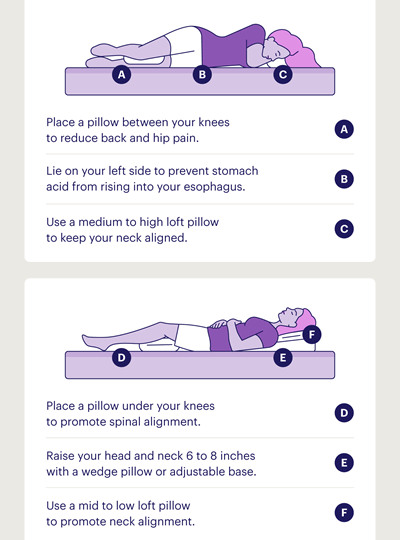
Fortunately, there are simple adjustments that can make the transition smoother and more sustainable. For example, placing a supportive pillow between your knees can reduce strain on the hips and lower back, while hugging a small pillow or body pillow can help stabilize your torso and prevent rolling onto your back during the night.
Another tip is to ensure your mattress and pillows are supportive and comfortable. A medium-firm mattress tends to work best for side sleepers, providing enough support to maintain spinal alignment without creating pressure points on the shoulders or hips.
Choosing a pillow with the right height and firmness can also help keep your neck aligned with your spine, reducing the risk of stiffness, headaches, or soreness upon waking.
It’s important to remember that transitioning to a new sleep position does not happen overnight. Consistency is key.
With practice and supportive adjustments, your body can gradually adapt to left-side sleeping, and over time, you may notice fewer nighttime disruptions, reduced digestive discomfort, and more refreshed mornings.
Additional Health Benefits of Left-Side Sleeping
Beyond digestion and circulation, left-side sleeping offers several other potential health benefits. For instance, this position may improve lymphatic drainage from the brain, which has been linked to better removal of metabolic waste and may support long-term cognitive health.
Some researchers suggest that side sleeping could even reduce the risk of developing neurodegenerative conditions by helping the brain’s glymphatic system function more efficiently during rest.
Left-side sleeping may also help minimize snoring and support clearer breathing during sleep. While individual anatomy varies, lying on your side often keeps the airways more open than lying on your back, which can reduce vibration of the soft tissues in the throat and lessen snoring.
For individuals with mild sleep apnea or respiratory issues, side sleeping can be a simple adjustment to improve airflow and oxygen intake.
Pregnant women, in particular, benefit from left-side sleeping because it reduces pressure on the liver, promotes optimal kidney function, and supports overall comfort.
By distributing weight more evenly and reducing strain on internal organs, this position can lead to more restful nights and lower the likelihood of waking due to discomfort.
Small Lifestyle Adjustments for Better Sleep
While left-side sleeping is beneficial, it is only one piece of the sleep quality puzzle. Pairing this posture with other healthy sleep practices can amplify the benefits.
Experts recommend maintaining a consistent sleep schedule, avoiding heavy meals or caffeine close to bedtime, and creating a dark, cool, and quiet sleep environment.
Regular exercise and stress management techniques, such as meditation or gentle stretching, can further enhance sleep quality and make it easier to maintain a consistent side-sleeping position.
For those who struggle to fall asleep on their left side, starting gradually can help. Begin by lying on your left side for short periods before fully committing to the entire night.
Using additional pillows for support and ensuring proper mattress comfort can accelerate adaptation. Over a few weeks, many people report waking up with less discomfort, fewer interruptions, and a general sense of being more rested and energized.
Why Sleep Position Matters
Sleep occupies roughly one-third of our lives, making it one of the most important yet often overlooked aspects of health. While getting enough hours of rest is critical, the position in which we sleep can either enhance or detract from the restorative benefits of sleep.
By adopting a left-side sleeping position, you can support digestion, circulation, lymphatic drainage, and even respiratory function, all while reducing discomfort that might otherwise interrupt rest.
Small changes, such as adjusting pillows or gradually shifting to your left side, can create long-term improvements in sleep quality.
Unlike complex medical interventions or expensive therapies, modifying your sleep posture is a low-cost, low-effort strategy that can yield meaningful health benefits over time.
Conclusion
Sleeping on your left side is more than just a comfortable posture—it is a simple yet effective way to support your body’s natural functions while you rest.
From improving digestion and reducing acid reflux to enhancing circulation, supporting lymphatic function, and promoting better respiratory health, the benefits of this position are substantial.
Pregnant women, individuals with digestive discomfort, and those looking to optimize overall wellness may find particular value in adopting left-side sleeping.
Although no single position works perfectly for everyone, experimenting with how you sleep is a practical and accessible step toward better rest and overall well-being.
By making a small, intentional change to your nighttime routine, you can experience fewer disturbances, more comfortable mornings, and improved energy throughout the day.
Ultimately, the way you sleep matters just as much as the hours you spend in bed. Prioritizing posture, alongside other healthy sleep practices, empowers you to harness the full restorative potential of your nightly rest.
Sleeping on your left side may seem like a minor adjustment, but its impact on digestion, circulation, immune function, and overall comfort demonstrates that even small shifts in lifestyle habits can create meaningful, lasting benefits.
As you continue to refine your sleep routine, remember that these adjustments are not just about comfort—they are about supporting your body’s natural ability to heal, restore, and prepare for the day ahead.
