Global tensions have intensified in recent weeks as several geopolitical flashpoints unfold simultaneously, drawing attention from capitals across the world. Developments involving Russia, Ukraine, and conflicts in the Middle East have led analysts to describe the current moment as one of heightened international volatility.
While some commentators warn that the world may be entering a more dangerous phase of geopolitical rivalry, others caution that public fears are often amplified by rhetoric and media narratives. What most experts agree on is that several separate crises are overlapping, creating an atmosphere of uncertainty.
Russia’s Nationwide Emergency Siren Test
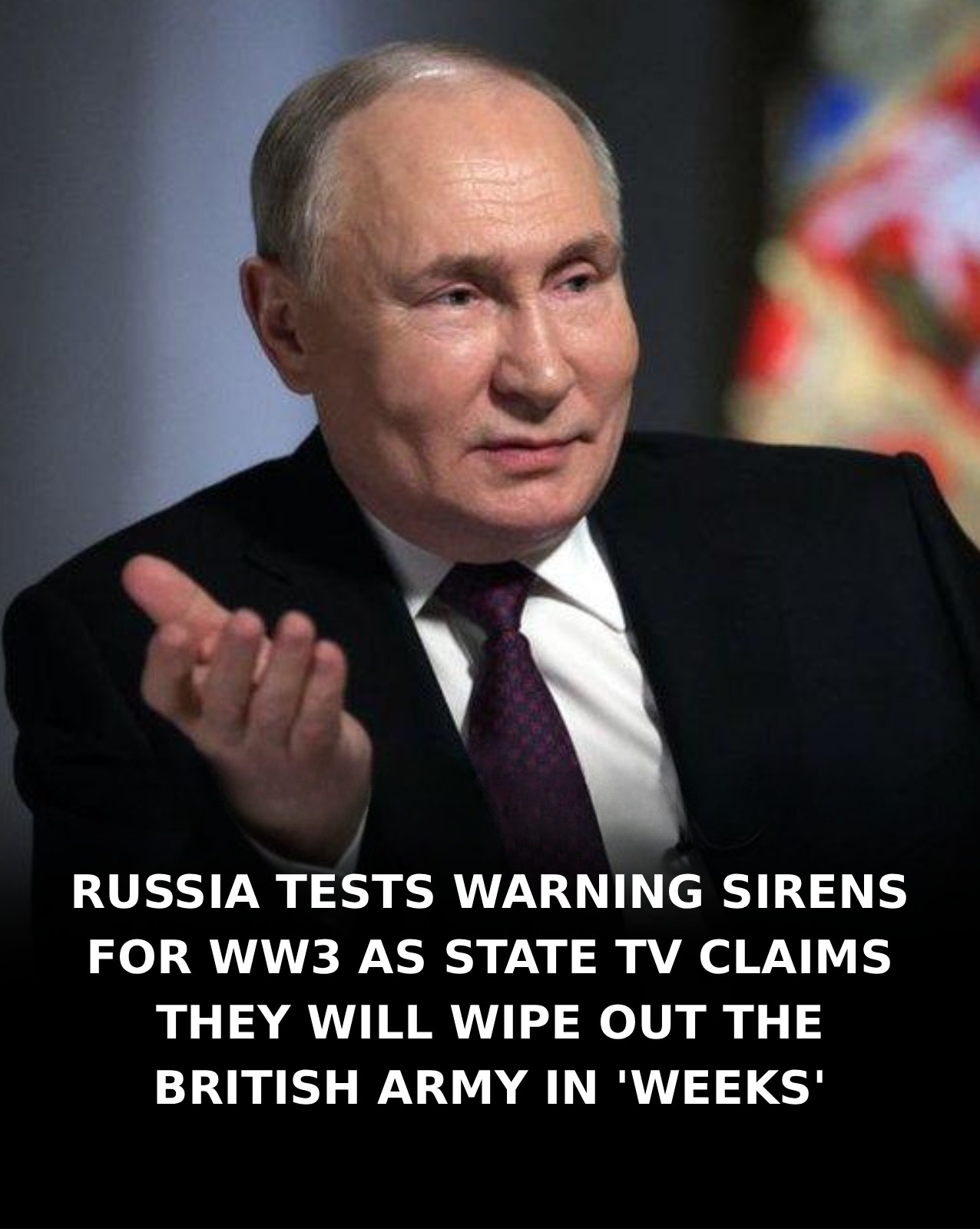
One development that attracted international attention was a large-scale test of Russia’s national public warning system conducted earlier this week.
The exercise was organized by the Ministry of Emergency Situations of Russia, which activated emergency sirens across all eleven of the country’s time zones.
During the drill, radio and television broadcasts were briefly interrupted with messages instructing citizens to remain calm and explaining that the alert system was being tested.
In cities such as Yekaterinburg, viewers saw messages stating that the system exists to warn the public of natural disasters, industrial accidents, or other emergencies.
Authorities emphasized that such tests are routine civil-defense preparedness measures. Similar systems exist in many countries and are regularly tested to ensure they function properly during emergencies.
However, the timing of the nationwide drill—amid several international crises—prompted speculation abroad.
Medvedev’s Warning About Global Conflict
Days before the warning system test, a controversial statement by Dmitry Medvedev attracted significant attention.
In remarks reported by TASS, Medvedev warned that a wider global war could emerge if tensions between Russia and Western countries continue to escalate.
Medvedev, who currently serves as deputy chairman of Russia’s Security Council and remains a close ally of Vladimir Putin, argued that confrontational foreign policies could create conditions for broader conflict.
While his language was highly provocative, analysts note that such rhetoric does not necessarily represent official decisions by the Russian government or signal immediate military action.
Nevertheless, statements from high-ranking figures often generate international concern, particularly when issued during periods of global tension.
The Middle East Conflict and Russia’s Position
At the same time, fighting involving Iran, Israel, and the United States has intensified regional instability.
Russia has criticized some Western military actions in the region while also calling for diplomatic de-escalation. Moscow maintains diplomatic relations with Tehran and has historically sought to balance its regional relationships carefully.
President Vladimir Putin has condemned certain attacks on Iranian leadership figures while urging negotiations rather than further escalation.
Despite these statements, the Kremlin has avoided direct military involvement in the Israel-Iran confrontation.
State Media Rhetoric and Public Messaging
In parallel with official messaging, Russian state-linked media outlets have broadcast more aggressive commentary.
Television host Vladimir Solovyov, known for strongly pro-Kremlin views, recently mocked the military capabilities of United Kingdom during a televised discussion.
Such rhetoric often reflects nationalist narratives promoted during periods of geopolitical tension. However, analysts emphasize that media commentary—even when extreme—does not necessarily represent official defense policy.
Ukraine’s Perspective
From Kyiv’s perspective, the ongoing war with Russia remains the central concern.
Volodymyr Zelenskyy has argued that Russia’s rhetoric toward Western countries sometimes exceeds its actions.
In interviews, Zelenskyy suggested that Russia’s criticism of Western policies does not always translate into concrete military steps beyond the war already underway in Ukraine.
At the same time, Ukrainian leaders warn that global attention shifting to other crises could reduce international focus on Ukraine’s defense.
Why Direct Russian Intervention in the Middle East Is Unlikely
Many analysts believe Russia is unlikely to directly join the Israel-Iran conflict for several reasons:
Military focus on Ukraine:
Russia remains heavily engaged in its ongoing war with Ukraine, which continues to consume significant military resources.
Avoiding conflict with NATO:
Direct intervention could risk confrontation with the North Atlantic Treaty Organization, something Russian leadership generally seeks to avoid.
Diplomatic balancing:
Russia maintains working relationships with multiple regional actors, including Israel, particularly regarding military coordination in Syria.
Economic considerations:
Instability in the Middle East can drive higher global energy prices, which may benefit Russia’s energy-export economy.
Global Reactions and Calls for Restraint
International organizations and governments have urged de-escalation across all conflict zones.
The United Nations and other diplomatic bodies continue encouraging negotiations and restraint to prevent regional conflicts from expanding.
Although public discussion often references the possibility of “World War III,” experts emphasize that such scenarios remain speculative and would require a much broader chain of events than current tensions alone.
Understanding the Current Moment
Taken together, Russia’s nationwide siren test, provocative political rhetoric, and ongoing global conflicts reflect a period of heightened geopolitical tension rather than clear evidence of imminent global war.
Civil defense drills remain standard preparedness measures. Political statements frequently serve domestic or strategic messaging purposes. And despite intense rhetoric, many countries continue pursuing diplomatic channels.
In a world where multiple crises intersect, the most important developments often occur not in headlines, but in the quieter work of diplomacy aimed at preventing escalation.
