The ‘Missing’ Dossier: How Senator John Kennedy’s Socratic Trap Exposed the DOJ’s Epstein Investigative Gaps
WASHINGTON — In the high-stakes theater of the Senate Judiciary Committee, where bureaucratic language often serves as a shield for the powerful, Senator John Kennedy (R-LA) delivered a masterclass in forensic interrogation this week. Using a methodical “hypothetical” strategy, the Louisiana Senator moved beyond rhythmic sparring to confront Attorney General Pam Bondi with what he termed a systemic failure to pursue the “greatest blackmailer in history.”
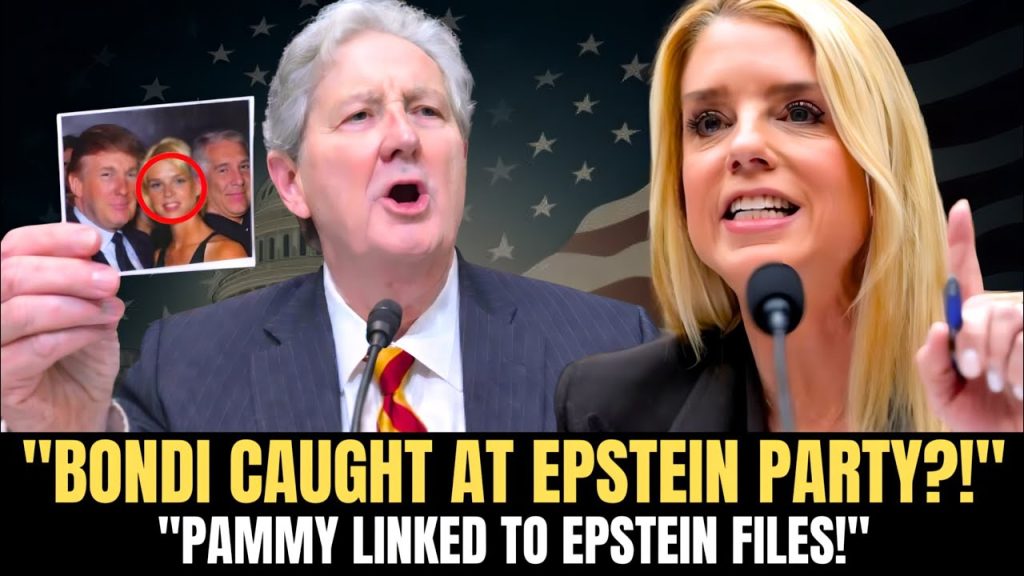
The confrontation, which has since dominated legal and political circles, centered on a perceived double standard: the Department’s aggressive pursuit of political targets versus its seemingly passive stance toward the Jeffrey Epstein network.
The ‘Eight Senators’ and the Subpoena Gap
Senator Kennedy began his interrogation not with the Epstein files, but with a clinical reconstruction of investigative power. He pressed Bondi on the legal thresholds required to obtain the phone records of “sitting United States senators”—a move reportedly taken in a separate, unrelated probe.
“What do I have to show in that subpoena to get those phone records?” Kennedy asked, repeatedly emphasizing the status of the targets. When Bondi confirmed that “probable cause” or “good cause” was required, Kennedy pivoted to the institutional cowardice of the private sector. “The telephone companies could have contested those subpoenas… they better have a damn good reason [not to].”
The strategy was surgical. By establishing that the DOJ and the FBI possess the “testicles” to seize records from the highest-ranking lawmakers in the land, Kennedy highlighted the glaring absence of such aggression in the Epstein investigation.
The ‘Lutnik’ Admission: Blackmail and ‘Perversion’
The turning point of the hearing occurred when Kennedy introduced a public interview given by Commerce Secretary Howard Lutnik. In the interview, Lutnik—a former next-door neighbor to Epstein—described the financier as the “greatest blackmailer ever,” alleging that Epstein used hidden cameras in massage rooms to gather “compromat” on powerful participants.
The tension in the room spiked when Kennedy asked if the DOJ had interviewed Lutnik regarding these specific allegations of a global blackmail operation.
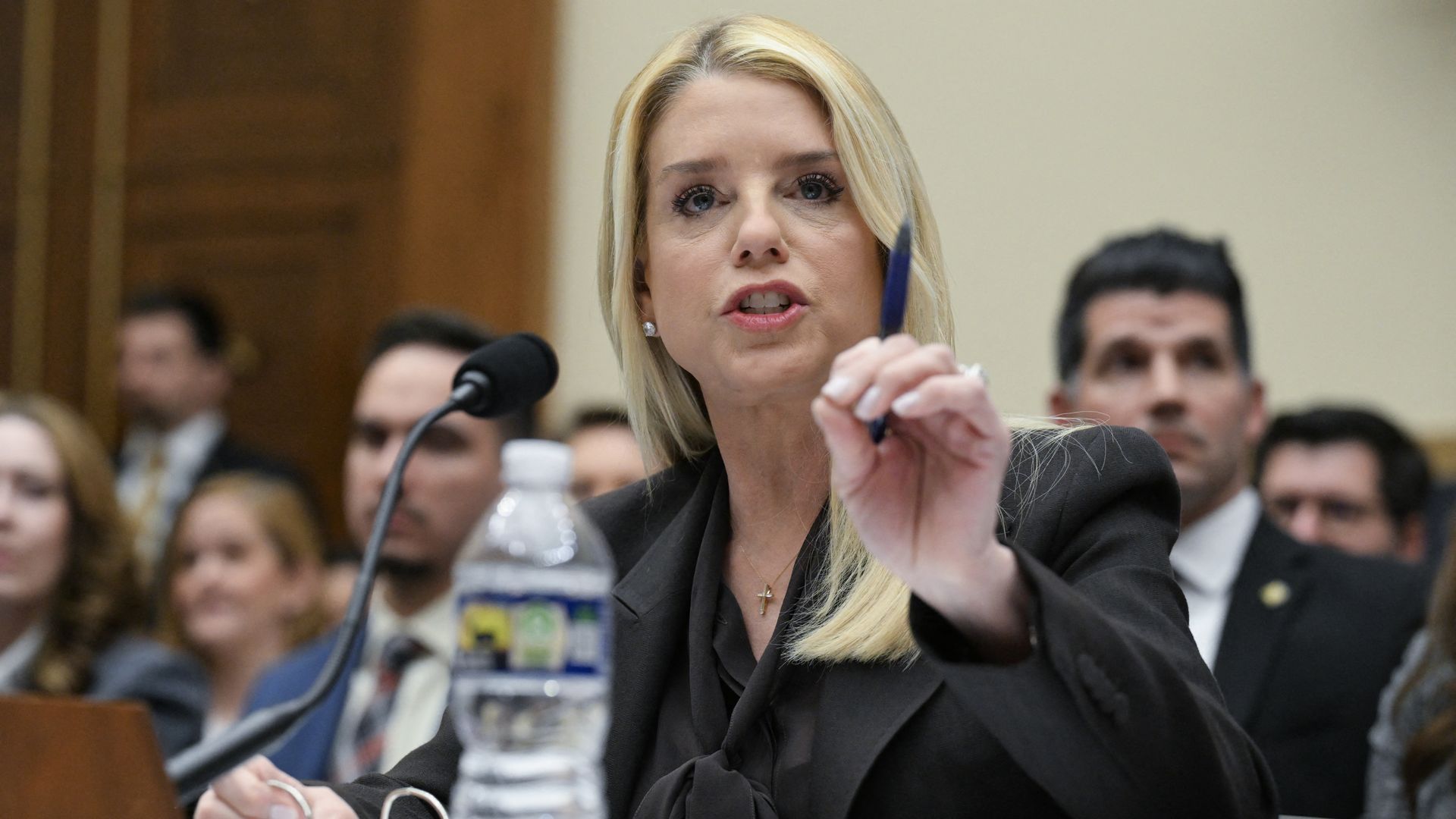
“I have not reviewed the transcript, but I saw the clip,” Bondi admitted. When asked if the DOJ had interviewed the Secretary, her response was a definitive “No.” Critics immediately noted the structural flaw in the DOJ’s posture: waiting for high-profile witnesses to “call the FBI” rather than aggressively serving subpoenas based on public claims of criminal conspiracy.
‘Calculation’ vs. ‘The Two-Tier System’
Analysts noted that the most damaging aspect of the exchange was the psychological framing of a two-tier justice system. Kennedy argued that while the DOJ has shown it can move “like a bad rash” over telecommunications companies to obtain senatorial records, it has remained curiously stalled on the Epstein files.
“I don’t want this to get swept under the rug,” Kennedy warned. “I think the telecommunication companies are going to be all over you… I think some FBI agents may have some liability here.”
The silence that followed Bondi’s refusal to discuss whether a “pending investigation” into the blackmail claims exists was described by observers as “structurally devastating.” It reinforced the perception that the DOJ is managing a public relations crisis rather than a criminal investigation.
Institutional Fallout and the ‘Missing’ Names
The hearing concluded not with a resolution, but with a formal challenge to the Department’s integrity. Despite the release of millions of pages under the Transparency Act, Kennedy and other committee members pointed to “missing names” and “unexplained redactions” that continue to fuel public skepticism.
As the 2026 oversight cycle continues, the “Lutnik Gap” remains the defining artifact of the Epstein file dispute. In the halls of Washington, where policy is often debated in the abstract, the fact that the DOJ has not interviewed a sitting Cabinet member about his public claims of a massive blackmail ring has proved to be the loudest statement of all. Kennedy’s message was clear: in a system of equal justice, there are no “hypotheticals”—there are only leads that are either followed or buried.
