The Shadow of the Files: A Confrontation Over Justice and Transparency
WASHINGTON — In the wood-paneled theater of the House Judiciary Committee, the air is often thick with performative outrage. Yet, on a recent Tuesday, the atmosphere shifted from typical partisan sparring to something more pointed and forensic. At the center of the storm was Attorney General Pam Bondi, who found herself navigating a minefield of contradictions regarding the Department of Justice’s handling of the Jeffrey Epstein investigative records.
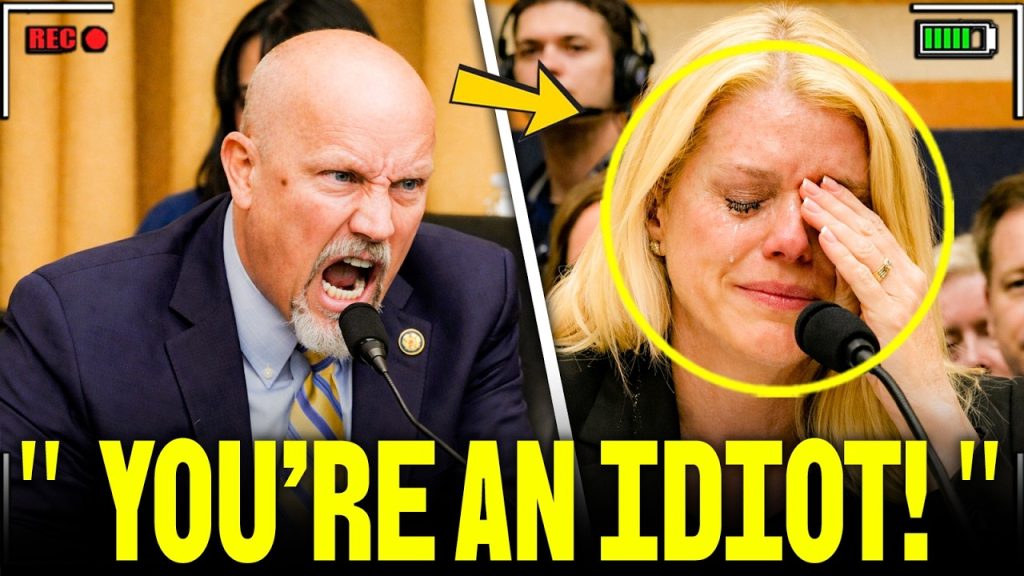
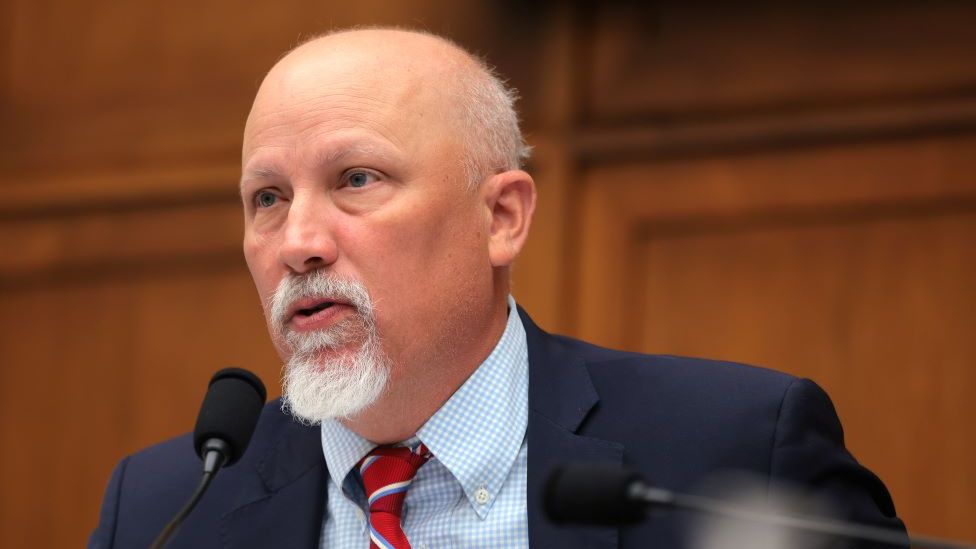
The hearing, ostensibly a routine oversight meeting, quickly transformed into a high-stakes interrogation of the executive branch’s commitment to the rule of law. Representative Chip Roy, known for a brand of questioning that favors granular detail over grandstanding, pressed Bondi on a singular, haunting question: Is the quest for justice in the Epstein saga truly over, or is the department shielding those yet to be named?
A Defiance of Mandates
The tension began with the numbers. Under the Epstein Files Transparency Act, Congress mandated the release of approximately six million pages of investigative records. To date, the Department of Justice has produced only three million. This 50 percent deficit became the focal point for lawmakers who argued that “pure transparency” — a phrase Bondi used repeatedly throughout her testimony — cannot exist alongside three million withheld pages.
Bondi defended the shortfall by citing an “impossible timeline,” arguing that the 30-day window provided by the statute was a herculean burden for any federal agency. However, the defense was met with skepticism from the dais. Critics pointed out that the administration had been in possession of these files for an entire year, moving to release them only after a veto-proof majority in Congress forced their hand. The missing documents, according to Representative Jamie Raskin, are not merely duplicates but include foundational prosecution memos and victim statements that have vanished from the public record.
The Redaction Paradox
Perhaps the most visceral moment of the hearing involved the treatment of the victims themselves. While the Department of Justice was accused of redacting the names of powerful figures — most notably billionaire Les Wexner — it simultaneously published the unredacted identities and even nude photographs of “Jane Doe” survivors.
The visual contrast in the room was stark. Several survivors sat in the back row wearing white shirts with blacked-out text, a silent protest against the department’s failure to protect their privacy. When Representative Pramila Jayapal asked the survivors to raise their hands if they had ever been met with by the current Department of Justice, every hand in the row went up. The gesture served as a stinging rebuke to Bondi’s claim that the department had done its “very best” to protect survivors.
Institutional Attrition and Resignation
Beyond the Epstein files, the hearing touched upon a broader crisis of confidence within the halls of federal law enforcement. Lawmakers raised the cases of several high-ranking career prosecutors who have recently resigned in protest. These departures — including Federalist Society members and decorated veterans — suggest a deepening fracture between the department’s political leadership and its rank-and-file legal experts.
The allegations are grave: that senior officials pressured career lawyers to target political adversaries while shielding allies. The resignation of six career prosecutors in Minnesota, reportedly over the pressure to investigate the family of a victim killed by federal agents, was cited as evidence of an agency that has lost its internal compass. For many in the room, these were not merely personnel shifts but signs of an institutional collapse.
A Breach in the Separation of Powers
The hearing reached a chilling crescendo when details emerged regarding the surveillance of elected officials. Photographs revealed that the Attorney General utilized a briefing binder containing the digital search history of Representative Jayapal, documenting the specific files the congresswoman had reviewed at a secure DOJ annex.
The implication that the executive branch is actively monitoring the investigative queries of the legislative branch sent a shudder through the committee. Legal scholars argue that such surveillance represents a fundamental violation of the separation of powers, designed to intimidate lawmakers performing their constitutional duty of oversight. What was described by some as a “burn book” became a symbol of a department that critics say has transformed from an independent arbiter of justice into a specialized protection unit.
The Road to Accountability
As the hearing drew to a close, the path forward remained obscured by procedural fog. The House Judiciary Committee is reportedly weighing contempt proceedings if the remaining three million pages are not produced. Meanwhile, the Inspector General has been asked to investigate the surveillance of lawmakers, and federal courts continue to serve as the final arbiter in a flurry of litigation against the department.
For the survivors watching from the gallery, the legal maneuvers offer little immediate solace. The hearing established a record of contradictions, but it did not provide the one thing the Epstein Files Transparency Act promised: the whole truth. As the struggle moves from the committee room to the federal courthouse, the question remains whether the Department of Justice can still function as an instrument of justice, or if it has become a casualty of the very power it was designed to check.
