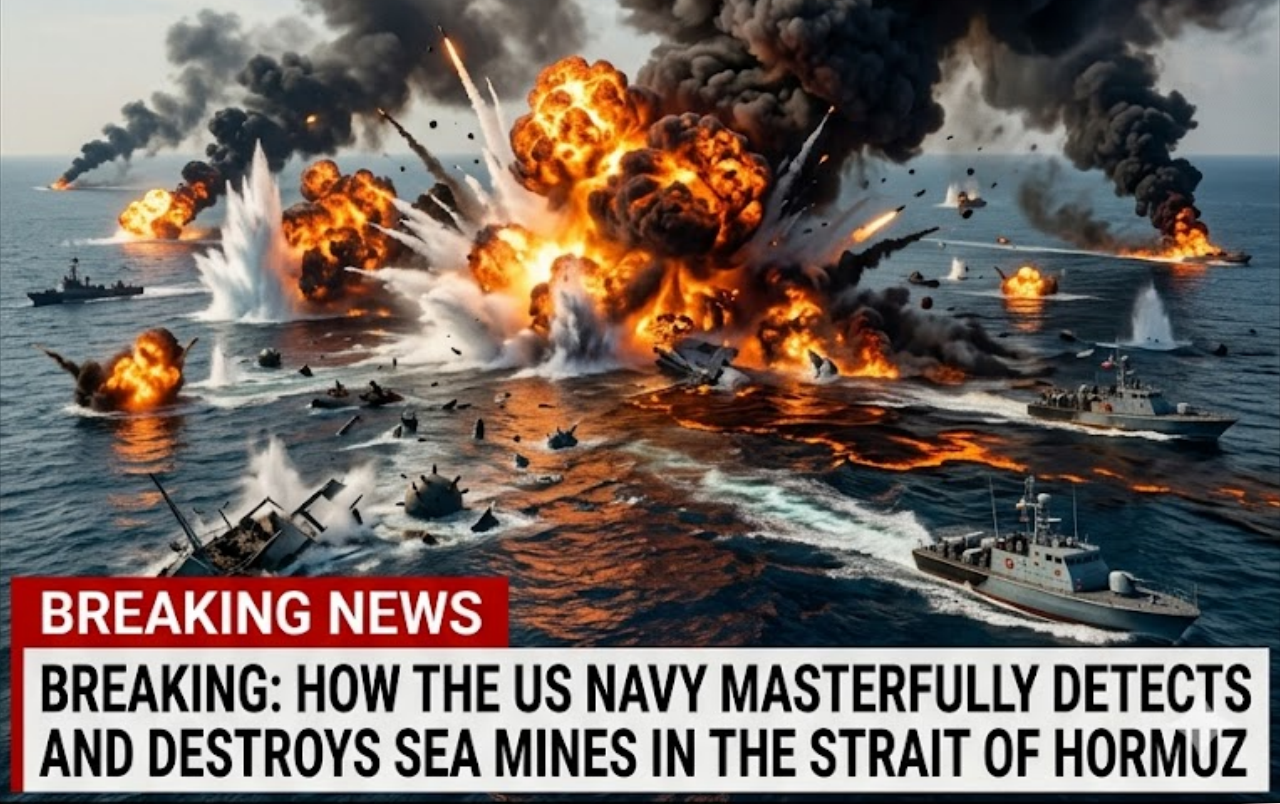
As tensions escalate in the Strait of Hormuz, one of the world’s most strategically vital waterways, the U.S. Navy’s expertise in mine warfare has become a critical factor in maintaining safe passage for global shipping. With increasing threats from naval mines — a weapon long favored for its low cost and high disruption potential — American forces have demonstrated advanced capabilities in both detecting and neutralizing these hidden dangers beneath the sea.
Naval mines pose a unique challenge. Unlike missiles or aircraft, they are invisible threats, often deployed quietly and capable of lying dormant for extended periods. In a narrow chokepoint like the Strait of Hormuz, even a small number of mines can disrupt commercial traffic, damage vessels, and trigger global economic consequences. This makes mine countermeasure (MCM) operations a top priority for naval forces operating in the region.
The U.S. Navy relies on a combination of cutting-edge technology and specialized units to tackle this threat. One of the primary tools in mine detection is the use of mine countermeasure ships equipped with high-resolution sonar systems, capable of scanning the seabed and identifying suspicious objects. These ships often operate slowly and methodically, mapping large areas to ensure no threat goes undetected.
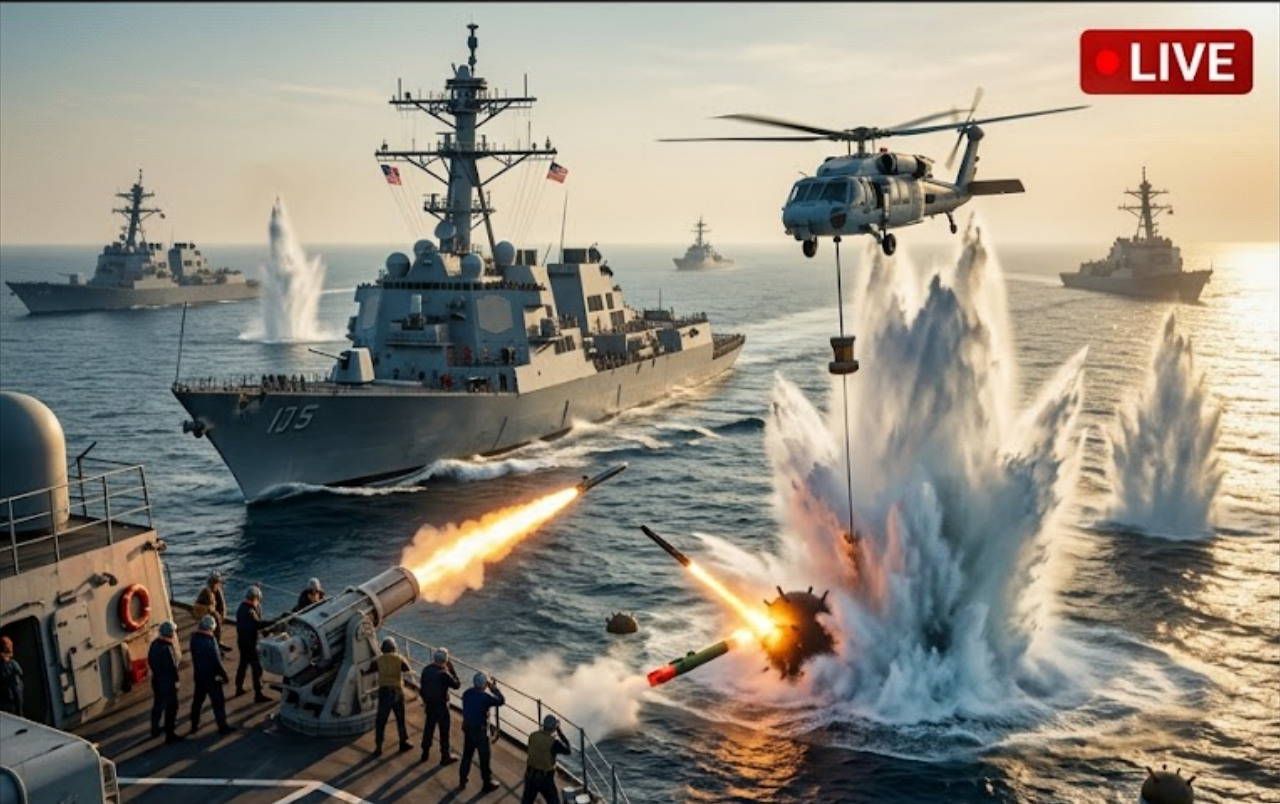
In addition to surface vessels, the Navy deploys unmanned underwater vehicles (UUVs) and remotely operated vehicles (ROVs), which can dive deep and inspect potential mines up close. These robotic systems reduce risk to human divers while providing precise visual confirmation of threats. Once a mine is identified, explosive ordnance disposal (EOD) teams or robotic systems can place charges nearby to safely detonate it.
Helicopter-based mine countermeasures also play a vital role. Specialized aircraft tow sensor arrays through the water, rapidly scanning large areas for mines. This aerial capability allows the Navy to respond quickly and cover more ground than surface ships alone, especially in urgent situations where shipping lanes must be reopened swiftly.
Coordination is another key element of success. The U.S. Navy works closely with allied forces and regional partners, sharing intelligence and conducting joint operations to ensure comprehensive coverage of the strait. Real-time data integration allows commanders to build a clear operational picture, enabling faster decision-making and more efficient deployment of resources.
Neutralizing mines is only part of the mission — ensuring long-term maritime security requires continuous monitoring. Even after an area is cleared, patrols and surveillance remain active to prevent new mines from being deployed. This ongoing vigilance is essential in a region where tensions remain high and threats can emerge quickly.
The effectiveness of these operations underscores the importance of technological superiority and strategic coordination in modern naval warfare. As the Strait of Hormuz continues to serve as a lifeline for global energy supplies, the U.S. Navy’s ability to detect and neutralize sea mines remains a cornerstone of maintaining stability and safeguarding international trade.
