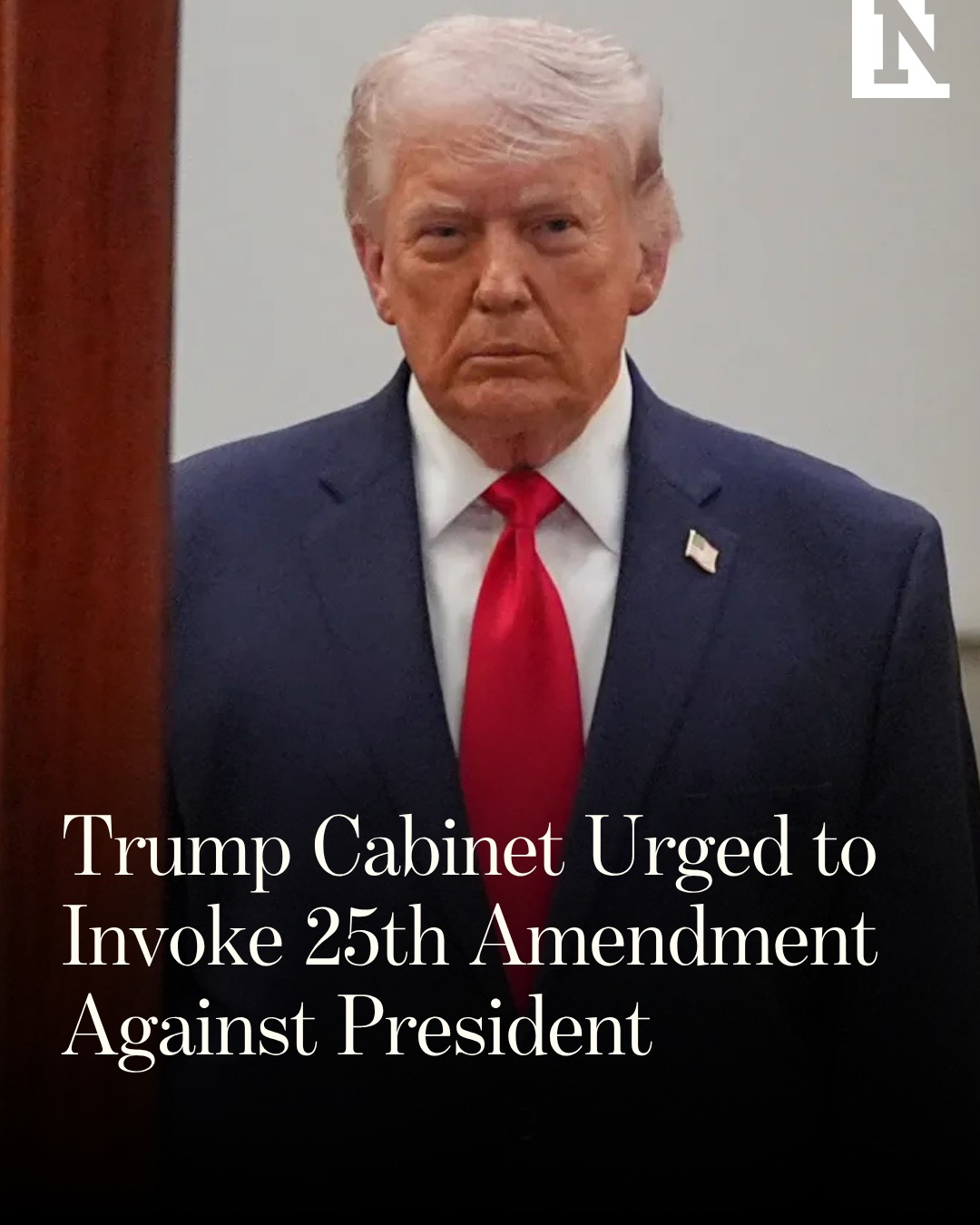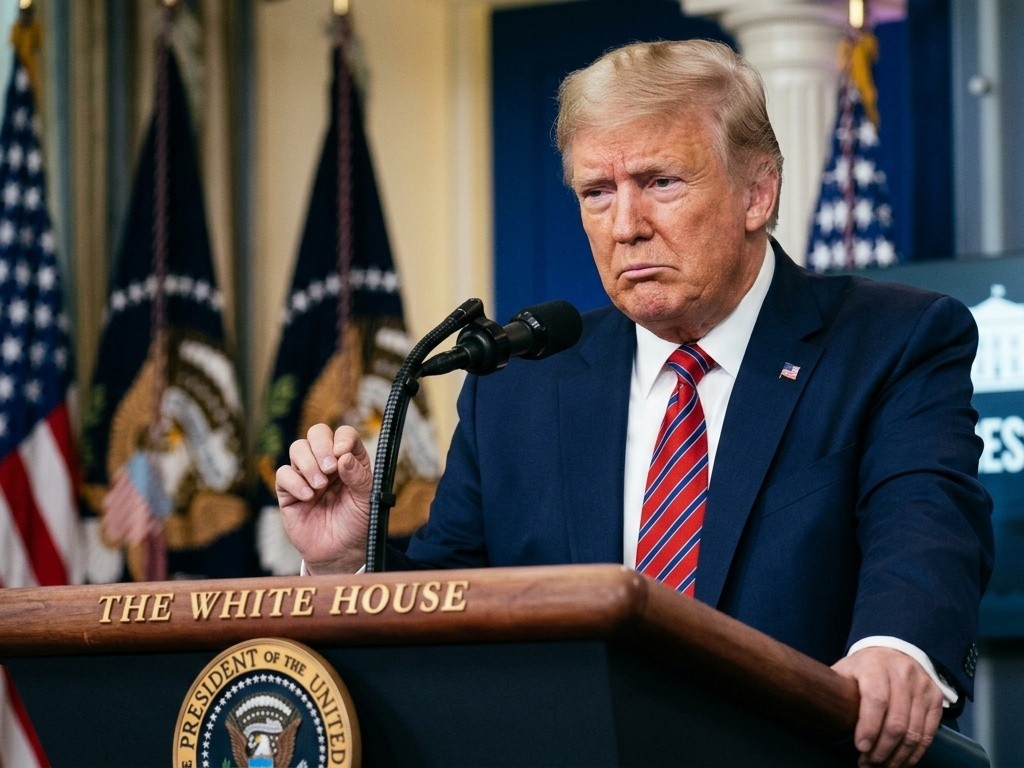
The 25th Amendment of the United States Constitution has started trending again as political discussions intensify around Donald Trump’s recent decisions and statements related to the IRAN conflict. The amendment allows the vice president and a majority of the cabinet to declare a president unable to perform official duties, transferring power temporarily. While it is rarely used and considered an extreme constitutional step, it often resurfaces in public debate during periods of high political stress or controversial leadership actions.
The current surge in discussion is linked to Trump’s increasingly aggressive rhetoric, including threats to strike infrastructure and inconsistent messaging on the Strait of Hormuz crisis. These developments have triggered reactions across political circles, media platforms, and public discourse in the United States. Allies such as United Kingdom and France are closely monitoring the situation, while Germany maintains cautious alignment. Meanwhile, economies like Japan remain exposed to instability linked to escalating tensions. The renewed focus on the 25th Amendment reflects a broader concern: when geopolitical crises intensify, internal political stability in major powers becomes part of the global risk equation.