A legal dispute between Melania Trump and author Michael Wolff has escalated into a closely watched confrontation that touches on long-standing questions about public figures, reputation, and the limits of commentary.
The conflict emerged after Wolff made a series of public remarks in interviews and podcasts in late 2025, referencing claims he said were drawn from past conversations with the late Jeffrey Epstein. Wolff suggested that Epstein had spoken about social circles involving models in New York during the 1990s and implied connections related to Melania Trump’s early years in the city. Wolff did not present documentary evidence for these assertions.
Melania Trump’s legal team responded forcefully. Her attorney, Alejandro Brito, issued a formal demand for retraction, apology, and damages, describing Wolff’s statements as false and defamatory. The letter warned of potential legal action seeking substantial monetary compensation if the claims were not withdrawn.
Rather than complying, Wolff filed a lawsuit under New York’s anti-SLAPP statute, a law designed to protect speech on matters of public concern and deter litigation intended to silence critics. Wolff argues that the threatened defamation action constitutes an attempt to chill speech and that his remarks fall within protected commentary. The filing also seeks legal protections that would allow him to pursue discovery related to his claims.
At this stage, the case centers on legal thresholds rather than factual findings. No court has ruled on the accuracy of Wolff’s statements, and no evidence has been formally tested under oath. Melania Trump has denied any wrongdoing and maintains that the allegations are baseless and damaging to her reputation.
Public reaction has been sharply divided. Supporters of the Trump family characterize the dispute as another politically motivated attack amplified by media attention. Critics argue that the case reflects broader, unresolved questions about elite social networks in the 1990s, pointing to widely circulated photographs and documented associations involving Epstein and various public figures, including Donald Trump—though none of those materials directly substantiate Wolff’s specific claims.
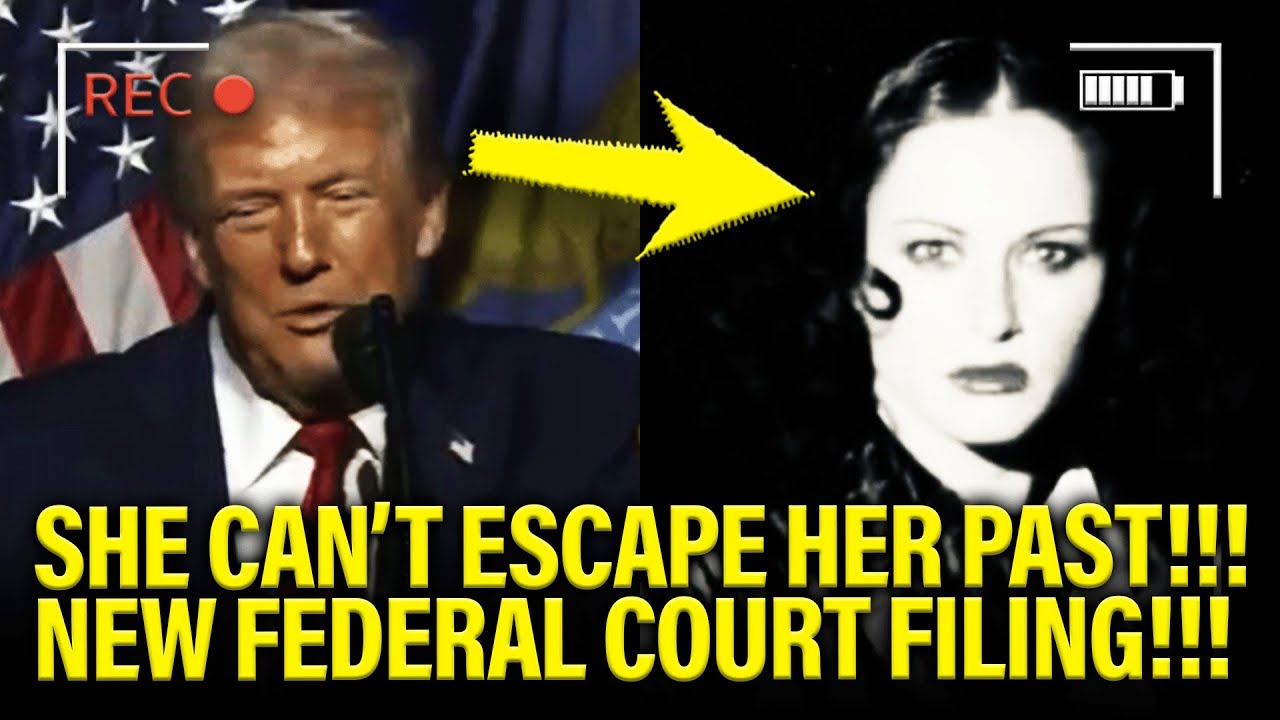
The dispute has unfolded alongside renewed public interest in Melania Trump’s professional projects, including a documentary and other media ventures, prompting speculation about reputational impact. Her representatives have stated that the legal action is intended to defend against what they describe as malicious falsehoods rather than to generate publicity.
As proceedings move into 2026, the outcome remains uncertain. Courts will be tasked with weighing free-speech protections against defamation standards, a balance that often turns on whether statements are provable facts or protected opinion, and whether actual malice can be demonstrated.
For now, the case stands as a reminder of how quickly commentary, litigation, and public narrative can collide—especially when claims involve prominent figures and unresolved historical associations. Until evidence is examined and rulings are issued, the matter remains a legal contest rather than an established account of events.
